

Best Supplements for Heart Rhythm & Irregular Heartbeat Support: A Complete Guide

A normal, healthy heart needs a regular electrical system known as a normal sinus rhythm. This system includes electrical impulses from the natural pacemaker that coordinate each heartbeat. This coordinated activity maintains a regular heartbeat that pumps blood throughout the body efficiently.
While some rhythm changes are mild, others may affect overall heart health and require attention. Nutrients play an important role in cardiac electrophysiology.
Minerals like magnesium, potassium, and calcium help regulate electrical impulses and muscle contraction, while certain vitamins support nerve signalling and reduce oxidative stress.
Exploring the right supplements for heart health may help support overall heart rhythm and cardiovascular health.
What is Heart Rhythm and Why Does It Matter?
Heart rhythm refers to the pattern and speed at which the heart beats. It is controlled by the heart’s electrical system and determines whether the heart beats at a normal, too fast, too slow, or irregular rate.
A normal heart rhythm ensures efficient pumping of blood throughout the body.
A healthy adult’s heart usually beats between 60 and 100 times per minute in a regular, steady rhythm. When the heart beats too fast, too slow, or irregularly, it is referred to as an arrhythmia by medical professionals.
There are many types of atypical heartbeats, but the most common is a fast pace with an irregular rhythm, which doctors call atrial fibrillation (AFib).
A heart beating too fast is tachycardia, and when it beats too slow, it is bradycardia.
What Causes Irregular Heart Rhythm (Arrhythmia)?
Irregular heart rhythm, or arrhythmia, occurs when the heart’s electrical signals do not function properly. This can cause the heart to beat too fast, too slow, or unevenly. Causes may include heart disease, electrolyte imbalance, stress, medications, or lifestyle factors such as caffeine and smoking.
Common Types of Arrhythmias
Arrhythmias are grouped based on how they affect the heart’s speed and rhythm. Some cause the heart to beat too fast, others too slow, while some create an irregular pattern. Understanding the type helps determine the right approach to care and management.
Atrial Fibrillation (AFib)
Atrial fibrillation is the most common arrhythmia, where the heart beats fast and irregularly due to abnormal electrical signals in the upper chambers.
Tachycardia
Tachycardia occurs when the heart beats faster than normal, usually over 100 beats per minute, which may reduce the heart’s pumping efficiency.
Bradycardia
Bradycardia is a slower-than-normal heart rate, typically below 60 beats per minute, which may lead to fatigue, dizziness, or fainting in some cases.
Risk Factors for Heart Rhythm Disturbances
Several factors can increase the likelihood of developing an irregular heart rhythm (arrhythmia), including:
- Age – Older adults are more prone to changes in the heart’s electrical system.
- Heart disease – Conditions such as coronary artery disease, heart failure, or previous heart attacks increase risk.
- High blood pressure – Hypertension can strain the heart and affect its rhythm.
- Electrolyte imbalances – Low or high levels of potassium, magnesium, calcium, or sodium.
- Thyroid disorders – Overactive or underactive thyroid can trigger arrhythmias.
- Lifestyle factors – Excessive alcohol, caffeine, smoking, or drug use.
- Medications – Certain prescription or over-the-counter drugs can impact heart rhythm.
- Chronic stress or anxiety – Emotional stress may provoke irregular heartbeats.
- Family history – Genetics can predispose some individuals to arrhythmias.
Also Read: Silent Heart Attack Symptoms in Women
Best Nutrients That Support Healthy Heart Rhythm
Certain nutrients have an important role in the maintenance of stable electrical heart rhythms, and they may also have the function of balancing irregular heart rhythms.
|
Nutrient |
Role in Supporting Heart Rhythm |
Common Sources |
|
Magnesium for Heart Rhythm |
Regulates the heart’s electrical signals, helps prevent irregular beats |
Nuts, seeds, spinach, whole grains |
|
Potassium for Electrical Stability |
Supports normal muscle and nerve function, including the heart |
Bananas, oranges, potatoes, beans |
|
Calcium |
Ensures proper contraction and relaxation of heart muscles |
Dairy products, leafy greens, fortified foods |
|
Omega-3 Fatty Acids |
Reduces inflammation, supports cardiovascular health |
Fatty fish (salmon, mackerel), flaxseeds, walnuts |
|
CoQ10 for Cardiac Energy |
Supports energy production in heart cells and overall cardiac function |
Meat, fish, whole grains, supplements |
|
Vitamin D |
May help regulate blood pressure and support heart health |
Sunlight, fortified milk, fatty fish |
|
B Vitamins (B1, B6, B12, Folate) |
Helps maintain healthy homocysteine levels, reducing cardiovascular risk |
Whole grains, legumes, leafy greens, eggs, and meat |
|
Antioxidants (Vitamin C, Vitamin E, Selenium) |
Protect heart cells from oxidative stress and damage |
Citrus fruits, nuts, seeds, vegetables, seafood |
Why Electrolyte Balance Is Crucial for Heart Rhythm?
A proper balance of the following electrolytes is necessary to ensure proper and stable heart function, and any minor changes in these balances can lead to an irregular heartbeat.
- Sodium, potassium, calcium, and magnesium are the four main electrolytes that function to regulate the heart’s electrical signals.
- Sodium regulates the start of the heartbeat, while potassium regulates the resetting of the heartbeat.
- Calcium supports heart muscle contraction, and magnesium helps the muscle relax properly.
- Dehydration, caused by excessive sweating, illness, and lack of fluids, can affect the balance of these essential minerals and may lead to palpitations.
- Electrolyte supplementation may be considered in cases of deficiency, but it should be taken under medical guidance to prevent imbalance.
Also Read: Best Cough Medicine For Heart Patients
Possible Side Effects of Heart Rhythm Supplements
While supplements that support heart rhythm are generally safe when taken as directed, excessive or improper use can lead to side effects:
|
Supplement/Nutrient |
Potential Side Effects |
|
Magnesium |
Diarrhoea, stomach upset, nausea, low blood pressure (in high doses) |
|
Potassium |
Nausea, diarrhoea, heart palpitations, risk of hyperkalemia in people with kidney issues |
|
Calcium |
Constipation, kidney stones, upset stomach, risk of hypercalcemia with excessive intake |
|
Omega-3 Fatty Acids |
Fishy aftertaste, indigestion, increased bleeding risk in high doses |
|
Coenzyme Q10 (CoQ10) |
Mild digestive issues, headache, dizziness, and insomnia |
|
Vitamin D |
Nausea, constipation, weakness, risk of toxicity if overdosed |
|
B Vitamins |
Rare: nerve damage with very high doses of B6, mild digestive issues |
|
Antioxidants (Vitamin C, Vitamin E, Selenium) |
High doses may cause nausea, diarrhoea, or increased bleeding risk (Vitamin E) |
Who Should Consider Heart Rhythm Supplements?
Supplements should always be considered as supportive care and taken under medical guidance, especially in people with diagnosed heart conditions.
- Individuals with mild electrolyte deficiencies, confirmed through medical testing.
- People experiencing occasional palpitations linked to stress or dehydration.
- Those with nutrient gaps due to poor dietary intake or restrictive diets.
- Adults with increased nutritional needs, as advised by a healthcare professional.
- Individuals seeking overall cardiovascular support alongside lifestyle changes.
Lifestyle Changes That Support Heart Rhythm Naturally
A healthy heart rhythm is influenced not only by supplements and vitamins for healthy heart support, but also by daily habits.
Simple lifestyle changes and some natural ways to improve heart rhythm can strengthen the heart’s natural electrical balance and overall function.
- Maintain a balanced diet: Include fruits, vegetables, whole grains, and mineral-rich foods to support healthy electrical activity.
- Stay well hydrated: Proper fluid intake helps maintain electrolyte balance and a steady heart rhythm.
- Manage stress effectively: Practices like deep breathing, meditation, or yoga may reduce stress-related palpitations.
- Limit stimulants: Reduce excess caffeine, nicotine, and energy drinks that may trigger irregular beats.
- Exercise regularly: Moderate physical activity supports overall cardiovascular health.
- Get adequate sleep: Quality sleep helps regulate heart rate and nervous system balance.
When Should You See a Doctor for an Irregular Heartbeat?
Not all heart rhythm changes are harmless. Recognising warning signs early and seeking timely medical care can help prevent complications and protect long-term heart health.
- Frequent palpitations that do not improve with rest.
- Chest pain, pressure, or discomfort along with irregular heartbeat.
- Shortness of breath, dizziness, or fainting episodes.
- A very fast or very slow heart rate without a clear reason.
- If you have a history of heart disease, diabetes, or high blood pressure and notice new rhythm changes.
How Long Do Heart Supplements Take to Work?
Heart supplements do not provide instant results. Their benefits build gradually as nutrient levels improve and the body restores balance.
Typical timelines people may notice:
|
Supplement Type |
Possible Time to Notice Effects |
|
Electrolytes (magnesium/potassium) |
1–3 weeks in deficiency cases |
|
Omega-3 fatty acids |
4–8 weeks for cardiovascular support |
|
CoQ10 & antioxidants |
1–3 months for energy and heart function |
Results vary based on diet, health conditions, and consistency. Supplements work best when paired with healthy lifestyle habits and medical guidance.
How to Choose the Right Heart Supplement
Not all heart supplements serve the same purpose. Choosing the right one depends on your nutritional gaps, lifestyle, and health status.
When selecting a heart supplement, consider:
- Your specific need: electrolyte support, cholesterol control, or energy support
- Key nutrients: magnesium, omega-3, CoQ10, and essential vitamins
- Quality and safety: choose trusted brands with tested formulations
- Medical advice: especially if you take heart medications
A thoughtful selection ensures supplements support your heart safely and effectively rather than causing imbalance.
Best Supplements for Heart Rhythm from Zeelab Pharmacy
Explore our carefully curated list of the best supplements from Zeelab Pharmacy that support heart rhythm, promote cardiovascular health, and help maintain a healthy heartbeat.
|
Product Name |
Uses |
|
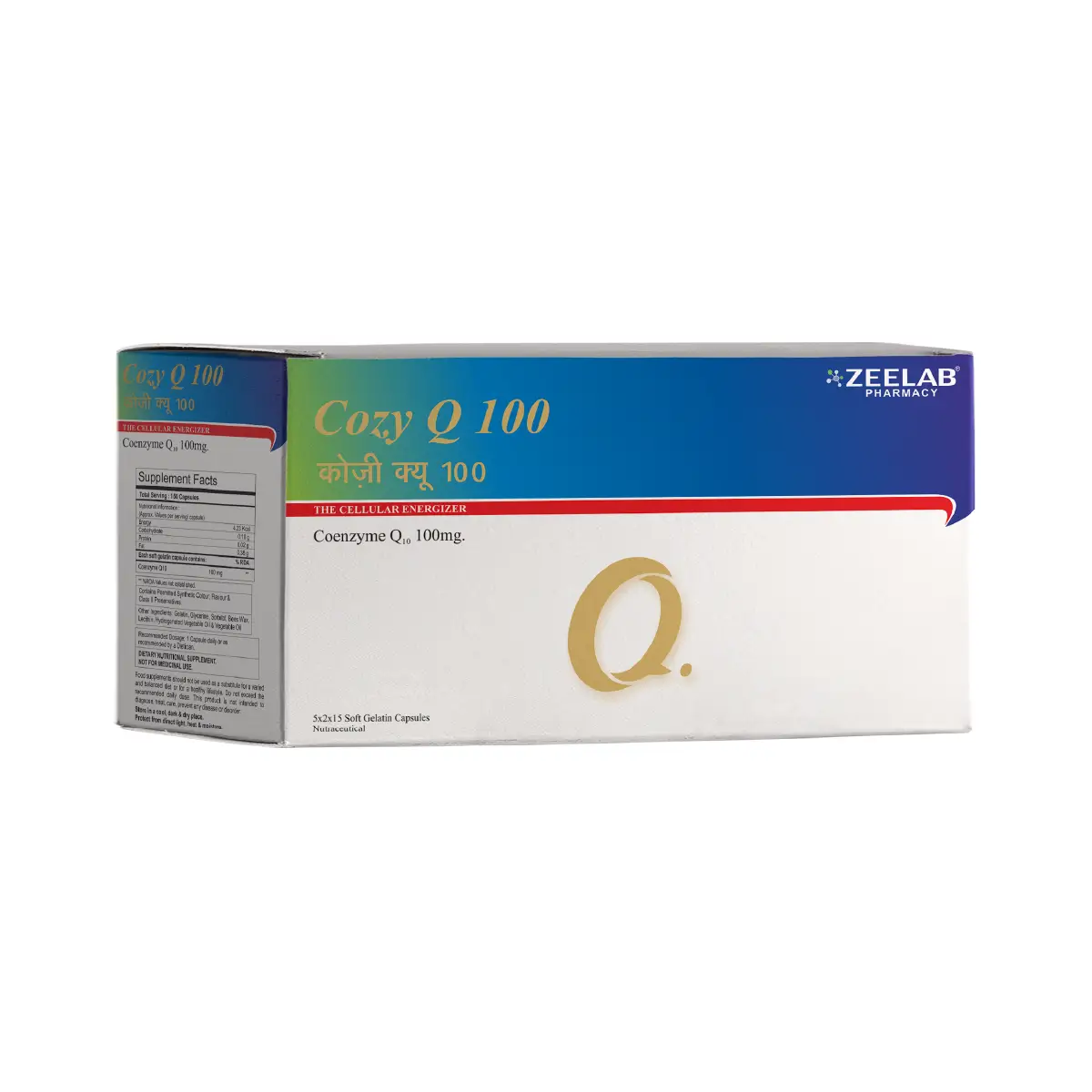
Supports heart health and boosts energy by improving mitochondrial function. |
|
|
Helps improve heart muscle strength and manage heart-related fatigue. |
|
|
Promotes heart health, reduces cholesterol, and supports brain function. |
|
|
Improves heart rhythm and helps lower triglyceride levels. |
|
|
Enhances blood circulation and maintains healthy cholesterol levels. |
|
|
Supports heart and nerve health with antioxidants and essential vitamins. |
|
|
Can support heart rhythm and cardiovascular health |
Conclusion
Maintaining a steady heart rhythm is essential for overall well-being. While lifestyle habits such as balanced nutrition, hydration, stress control, and regular exercise form the foundation of heart care, the right heart health supplements may offer additional support when used wisely.
Nutrients that aid electrical signalling and muscle function can help maintain stability, especially in individuals with mild deficiencies. However, irregular heartbeat supplements should never replace medical advice or prescribed treatment.
A thoughtful, informed approach guided by a healthcare professional can help you support your heart rhythm safely and effectively for long-term cardiovascular health.
Also Read: Fish Oil vs Plant-Based Omega-3: Which Is Better for the Heart?
Frequently Asked Questions
Q. What is arrhythmia?
A. Arrhythmia is a condition in which the heart beats too fast, too slow, or irregularly. It occurs due to disturbances in the heart’s electrical system that control the timing and coordination of each heartbeat.
Q. Can supplements cure arrhythmia?
A. Well, supplements cannot cure arrhythmia, but they may support heart health in mild cases related to nutrient imbalance. Diagnosed rhythm disorders require proper medical evaluation and treatment.
Q. Can magnesium help with irregular heartbeat?
A. Magnesium may help support normal electrical signalling in the heart. It assists muscle relaxation and nerve function, which can reduce occasional palpitations linked to mild magnesium deficiency.
Q. Are supplements safe for atrial fibrillation?
A. Some supplements may support overall heart health, but they are not a replacement for medical treatment in atrial fibrillation. Safety depends on medications, existing conditions, and dosage, so medical guidance is essential.
Q. How long does it take for supplements to work?
A. The time varies depending on the nutrient, dosage, and individual health status. Some people may notice improvements within a few weeks, while others may require longer, consistent use under supervision.
Q. Can dehydration cause an irregular heartbeat?
A. Yes, dehydration can disturb electrolyte levels such as sodium and potassium. This imbalance may affect the heart’s electrical signals and trigger palpitations or temporary irregular heartbeat episodes.
Q. What vitamin deficiency causes irregular heartbeat?
A. Deficiencies in magnesium, potassium, vitamin D, or certain B vitamins may contribute to rhythm disturbances. Blood tests can help identify if a deficiency is affecting your heart rhythm.
Q. What does an abnormal heartbeat mean?
A. An abnormal heartbeat means the heart is beating too quickly, too slowly, or unevenly. It may be harmless in some cases, but persistent changes can signal an underlying rhythm disorder.
Q. What are the causes of heart arrhythmia?
A. Heart arrhythmia can result from high blood pressure, coronary artery disease, diabetes, electrolyte imbalance, stress, stimulant use, certain medications, or underlying heart conditions affecting the electrical conduction system.
Q. Can lifestyle changes improve heart rhythm naturally?
A. Yes, balanced nutrition, hydration, regular exercise, stress management, and good sleep can significantly support a healthy heart rhythm alongside appropriate supplements.

Omega 3 Fatty Acid (1000mg)
60 Capsules In Jar

Omega 3 (Flaxseed Oil) (500mg) + Omega 6 (Borage Oil) (136mg) + Omega 9 (Olive Oil – Oleic Acid) (200mg) + Hydrogenated Vegetable Oil + Gelatin (Capsule Shell)
60 Capsules Per Jar
Recent Blogs






Disclaimer : Zeelab Pharmacy provides health information for knowledge only. Do not self-medicate. Always consult a qualified doctor before starting, stopping, or changing any medicine or treatment.
Related Products



₹ 0
0
Items added
Quick Links
Categories
Our Policies

Our Socials


Subscribe

2026 Copyright By © Zeelab Pharmacy Private Limited. All Rights Reserved
Our Payment Partners

 Added!