

Retinol for Acne: Benefits, How It Works, and How to Use It Safely
Retinol, a derivative of vitamin A, is a pretty popular and dermatologist-recommended ingredient that people with acne-prone skin may use. But what exactly is retinol, and why is it so effective for acne-prone skin? Because it supports faster skin cell turnover.
Normally, dead skin cells can accumulate on the surface and mix with oil, leading to blocked pores, the starting point for blackheads, whiteheads, and inflamed breakouts.
Among the key retinol benefits for acne is its ability to keep pores clear, reduce excess oil buildup, and support smoother, more even-looking skin over time. With consistent, gradual use, retinol doesn’t just treat surface-level pimples; it addresses one of the root causes of acne, helping skin look clearer and healthier overall.
In this blog, we will learn in detail about Retinol, its benefits, how retinol is good for acne, how to start using retinol for acne, and so much more.
What is Retinol?
Retinol is one of the most commonly used forms of vitamin A in dermatology and skin care and is widely recommended as retinol for pores due to its ability to support healthy skin renewal.
It works by accelerating skin cell turnover and enhancing collagen production, which helps with acne, fine lines, wrinkles, skin tone, and evening out pigmentation. By unclogging blocked pores and reducing dead skin buildup, retinol for pores helps smooth skin texture and is therefore commonly used for acne management and anti-ageing benefits.
How Retinol Helps Treat Acne?
If you also have a question, like does retinol really help with acne? This question has a science-backed answer. Yes, retinol may help in treating acne in the following ways:
- Speeds up Skin Renewal: Retinol helps the skin shed dead cells faster, so they don’t build up and block pores.
- Keeps Pores Clear: By reducing oil and debris buildup, retinol lowers the chances of blackheads and whiteheads forming.
- Reduces Redness and Breakouts: Retinol supports healthier skin, which may help reduce inflammation linked to acne.
- Smooths Skin Texture: Regular use can make skin feel smoother and help improve the look of marks left after pimples.
Types of Acne Retinol Can Treat
Retinol for acne-prone skin is widely recommended by dermatologists for its ability to target multiple causes of breakouts. From unclogging pores to improving skin renewal, retinol supports clearer, smoother-looking skin and also helps reduce the appearance of marks left behind after acne heals.
|
Type of Acne |
How Retinol Helps |
|
Whiteheads & Blackheads |
Helps remove dead skin buildup and keeps pores from getting blocked. |
|
Inflammatory Acne |
Supports skin renewal, which may help improve red, swollen pimples over time. |
|
Mild to Moderate Acne |
Helps reduce frequent breakouts and supports clearer-looking skin with regular use. |
|
Acne Marks & Uneven Skin Tone |
Promotes smoother skin and helps fade dark spots left after pimples heal. |
Benefits of Using Retinol for Acne-Prone Skin
Understanding the benefits of retinol for acne can help you choose smarter skincare for clearer, healthier-looking skin. Retinol is a multi-functional ingredient, ranging from moisturising the skin to combating oils, which makes it a good cleanser for your skin.
- Clears active acne: Helps unclog pores and supports faster skin renewal, which can reduce ongoing breakouts and help pimples heal more efficiently.
- Reduces acne scars and dark spots: It helps to promote gradual skin repair to resolve acne scars and dark spots.
- Controls excess oil production: Helps support normal skin renewal, which may normalise the amount of oil in the skin, potentially reducing clogged pores.
- Improves skin smoothness: Encourages smoother, more even-looking skin by refining rough texture caused by repeated breakouts.
- Offers anti-ageing benefits: Retinol also helps smooth out fine lines and makes the skin appear healthier and firmer.
Best Topical Retinol Serum Recommendation for Acne from Zeelab Pharmacy
Choosing the right retinol serum can make a noticeable difference in managing acne-prone skin. Zeelab Pharmacy retinol serum formulations are helpful in enhancing skin renewal, refinement, and improvements in skin health.
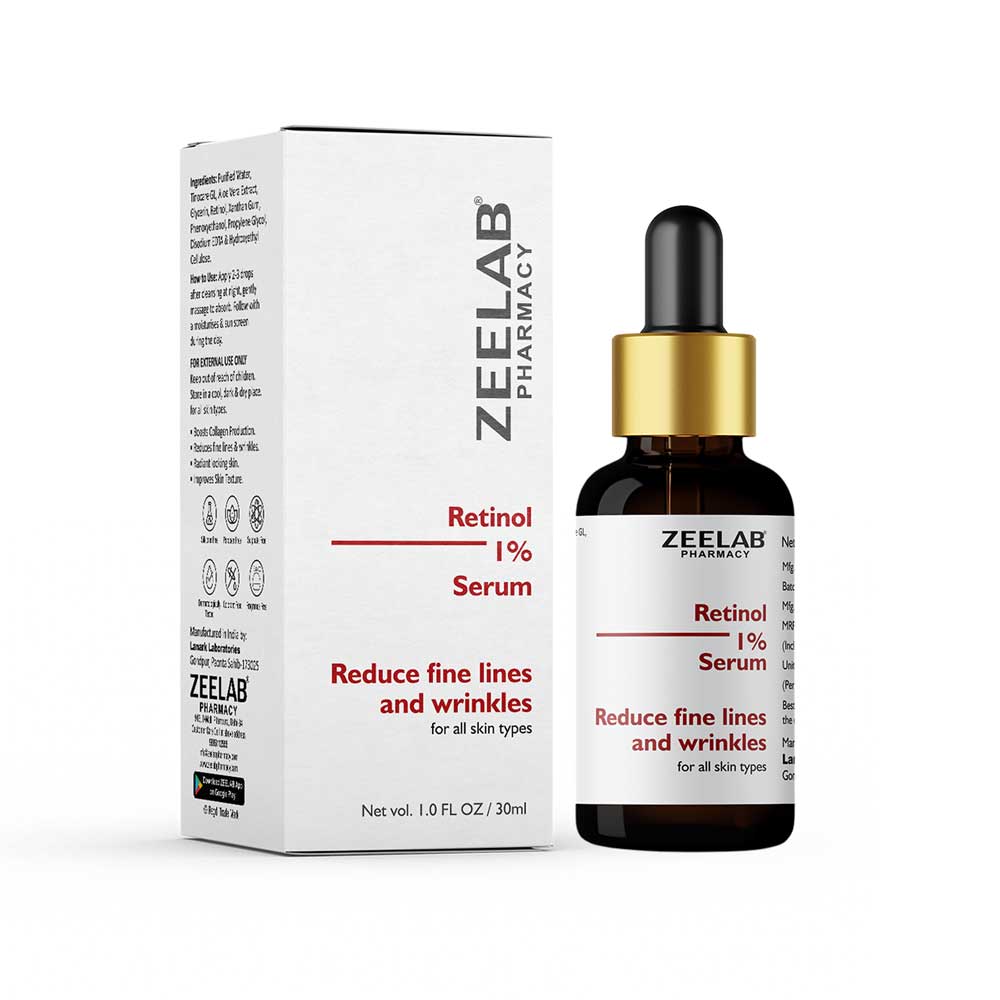
Zeelab Retinol 1% Face Serum
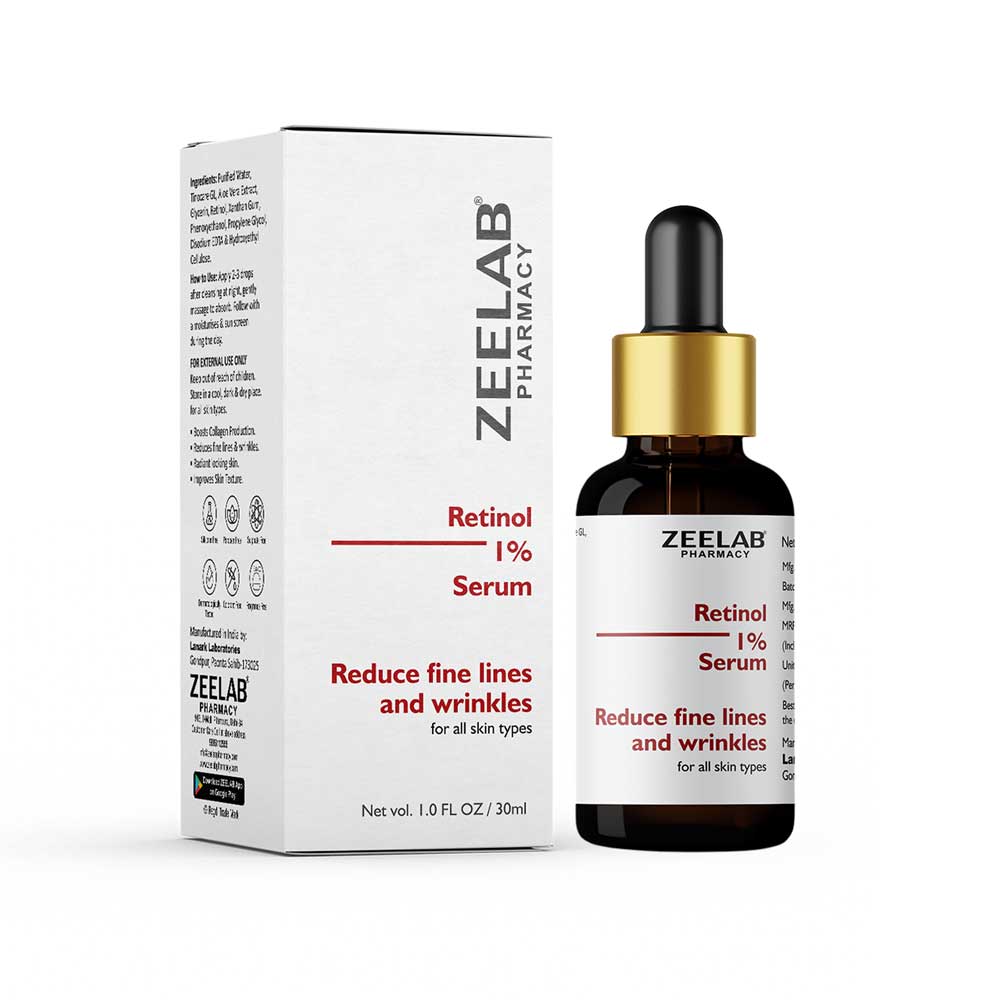
Zeelab Retinol 1% Face Serum is a lightweight retinol serum for acne scars that supports faster skin renewal, helps unclog pores, and improves uneven texture. It also promotes collagen production, helping reduce acne marks and refine overall skin clarity.
- Composition: Retinol 1%
- Benefits: It can help reduce the appearance of scars from acne, improve skin texture, unclog pores, and contribute to smoother skin
How to Use Retinol for Acne-Prone Skin?
Using retinol correctly is important to get the best results while minimising irritation, especially when choosing retinol for dry skin. The exact method and frequency can vary depending on the type of product you are using and what a doctor recommends based on your skin type and acne severity.
Below is a general guide for using a retinol serum:
- Apply at night on clean, dry skin to reduce the chance of irritation.
- Use only a pea-sized amount and spread a thin layer over acne-prone areas.
- Follow with a gentle moisturiser and use sunscreen daily, as retinol can increase sun sensitivity.
How to Choose the Right Retinol Strength for Acne
Choosing the right retinol for oily acne-prone skin is important for getting results without excessive dryness or irritation. The right strength also depends on your skin's tolerance, the intensity of your acne, and the way your skin adjusts to retinol products over time.
- Start with a low strength: Beginners and those looking for retinol for sensitive skin often do well with lower concentrations, as these help the skin adjust gradually while still supporting effective acne control.
- Gradually increase if tolerated: Once the skin builds tolerance, a moderate strength may offer better results for persistent breakouts.
- Stronger is not always better: Higher strengths can cause dryness, redness, and peeling without necessarily working faster.
- Skin type matters: Oily, heavy skins can be better suited for strong active ingredients, while dry, sensitive skins require milder treatments.
- Follow medical guidance: The dermatologist may also advise the best concentration according to the severity of the condition and the type of skin.
Retinol Purging: What to Expect?
The purging stage, which occurs for a short period, is characterised by breakouts on the skin, especially after using retinol. This is due to the rapid renewal mechanism of retinol, which brings clogged pores on the surface quickly.
You might also notice small pimples, dryness, minor peeling, or redness, mainly in acne-prone areas. This phase usually improves as your skin adjusts.
Starting with a lesser strength, the use of a moisturiser and the application of sunscreen can help to minimise the irritation. If symptoms are severe or persist for a long time, consult a doctor for guidance.
Possible Side Effects of Retinol
Retinol is effective for acne, but it may cause some temporary side effects, especially if you are a beginner using this ingredient on your acne. Knowing these effects and taking simple precautions can help you use retinol safely and comfortably.
- Dryness and peeling: Skin may feel dry or start to flake in the beginning.
- Redness or mild irritation: Some sensitivity is expected as the skin makes the adjustment.
- Sun sensitivity: Retinol can increase sun sensitivity, so it is always advisable to apply sunscreens.
- Start with low frequency: Using retinol slowly helps reduce irritation.
- Consult a doctor if the irritation is serious or persistent.
Best Ingredients to Combine With Retinol for Better Results
Pairing retinol with supportive ingredients can improve results and reduce dryness or irritation. These ingredients help keep the skin in balance and allow a better general clarity of the complexion.
|
Ingredient |
Benefit When Used With Retinol |
|
Hyaluronic Acid |
Hydrates the skin and reduces dryness caused by retinol. |
|
Niacinamide |
Supports oil control and helps calm skin sensitivity. |
|
Ceramides |
Strengthen the skin barrier and protect against moisture loss. |
|
Vitamin C |
Helps even skin tone and supports skin brightness. |
|
Peptides |
Support skin repair and improve overall skin texture. |
|
Gentle Moisturizers |
Helps soothe and protect skin while using retinol. |
Ingredients to Avoid Mixing with Retinol
- Strong exfoliating acids (AHAs and BHAs): May increase dryness and irritation.
- Benzoyl peroxide: It can cause excessive dryness.
- Other retinoids: Using multiple vitamin A products together can increase irritation.
- Harsh scrubs or exfoliants: Break down the skin barrier, thus increasing sensitivity.
When Should You Consult a Dermatologist for Acne?
Though mild acne can be treated if appropriate care is taken, some cases present compelling reasons for medical attention. It would be beneficial to seek counsel from a dermatologist at the appropriate time to prevent its progression and reduce the chances of scarring.
- Acne is persistent or worsening
- Painful, inflamed, or widespread acne requires prescription-based products.
- Acne is leaving scars or dark marks
- Over-the-counter treatments are not working
- Acne is affecting your confidence and daily life
Also Read: Retinol for Hyperpigmentation
Conclusion
Retinol has been used for a long time to manage acne and improve skin health. If you’re wondering if retinol helps with acne, it works by unclogging pores, speeding up skin cell turnover, and preventing future breakouts.
In addition to treating active acne, retinol can also fade marks left by acne and improve uneven skin texture over time. With consistency and right use, people notice gradual improvements in acne-prone skin and healthier-looking skin overall.
Also Read: Retinol For Melasma
Frequently Asked Questions
Q. Does retinol help with acne?
A. Retinol regulates acne by speeding up the skin cell renewal and keeping the pores clear, preventing blockage. This process purifies the skin and reduces blackheads and whiteheads to give good skin clarity. With time, it will also eventually even out skin discolouration and leave a healthier appearance.
Q. Can I use retinol on active acne?
A. Yes, retinol can be used on active acne because it unclogs acne pores and helps in faster skin renewal
Q. Can retinol make acne worse at first?
A. Yes, retinol may cause temporary breakouts known as retinol purging. This happens because clogged pores come to the surface faster. This improves within a few weeks as the skin adjusts.
Q. How long does retinol take to work for acne?
A. Retinol usually takes about 6 to 12 weeks to show visible effects. Regular use and proper skincare can help achieve good and long-term results.
Q. Should I use retinol every day for acne?
A. Retinol should be started slowly, usually two to three times per week. Once the skin adjusts, frequency can increase if tolerated. Daily use depends on skin tolerance and medical advice.
Q. Is retinol better than salicylic acid for acne?
A. Retinol and salicylic acid work differently. Retinol improves skin renewal, while salicylic acid unclogs pores directly. Both can help acne, but the best choice depends on individual skin needs.
Q. What types of retinol products can be used for acne treatment?
A. Retinol is available in creams, serums, gels, and oral tablets prescribed in specific cases. Topical forms are commonly used for acne, and serums are often preferred because they absorb easily and deliver targeted results.
Q. What happens if I stop using retinol for acne?
A. If you stop using retinol, acne may gradually return because pores can become clogged again. Consistent use helps maintain clearer skin and prevent future breakouts.
Q. Is retinol equally effective for acne in men and women?
A. Retinol is an effective treatment for acne in women and men, as it enhances skin renewal and stops pores from clogging. Although hormones play a role in the cause of acne in women and men, retinol helps maintain clearer skin in both women and men.
Q. Can retinol help reduce the appearance of acne scars?
A. Well, retinol indeed aids in reducing acne scars while encouraging faster skin cell regeneration, resulting in smoother, clearer skin. It does this by continuously reducing dark patches on one's skin, making it softer and clearer.
Recent Blogs



Disclaimer : Zeelab Pharmacy provides health information for knowledge only. Do not self-medicate. Always consult a qualified doctor before starting, stopping, or changing any medicine or treatment.
Related Products


₹ 0
0
Items added
Quick Links
Categories
Our Policies

Our Socials


Subscribe

2026 Copyright By © Zeelab Pharmacy Private Limited. All Rights Reserved
Our Payment Partners

 Added!