

Retinoid vs Retinol: Differences, Benefits & Which One Is Right for You?
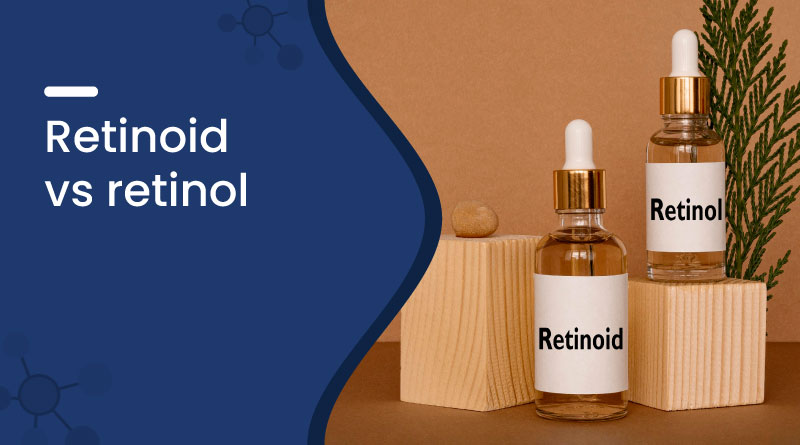
Retinoids and retinol are among the most highly buzzed ingredients in the skincare industry because of their ability to manage common problems like acne, uneven skin tone, and signs of ageing. Even though both retinoid and retinol belong to the Vitamin A family and provide similar benefits, their strength, effectiveness, and usage instructions can differ.
In spite of that, it is normal for people to get confused about retinol vs retinoid, and wonder if retinoid and retinol are the same.
This makes the knowledge of the difference between retinol and retinoid very important before using them. This information can help you choose the right product at the right strength, along with proper usage guidance.
Through this blog, we will discuss the differences between retinoid and retinol, their benefits, and which is better.
What are Retinoids?
Retinoids are a group of vitamin A-derived drugs that are commonly utilised as therapeutic agents in dermatology for enhancing skin health and managing different skin-related issues.
These compounds are effective because they increase skin cell turnover, prevent pores from clogging, and help create collagen. Retinoids are available in both prescription and non-prescription forms, depending on their strength and intended use.
Common prescription retinoids include:
- Tretinoin
- Adapalene
- Tazarotene
- Isotretinoin
- Acitretin
These have primarily been used to treat skin diseases like acne, psoriasis, and sun damage. In medical settings, retinoids are prescribed for targeted treatment, while in cosmetic skincare, milder forms are used to improve skin texture, tone, and early signs of ageing.
What is Retinol?
Retinol is a milder, over-the-counter form of vitamin A commonly used in cosmetic skincare products. Although this version of vitamin A belongs to the retinoid family of skincare products, it must penetrate the skin and then convert to a usable form.
After application, retinol must convert into retinal and then retinoic acid. (the form that delivers visible skin benefits such as improved texture and reduced acne)
Because this conversion happens slowly, retinol works more gently compared to prescription retinoids. This slower activation reduces the risk of irritation, making it a suitable option for beginners and individuals with sensitive skin who want to improve skin tone, clarity, and early signs of ageing.
Retinoid vs Retinol: Key Differences Compared
Retinoids and retinol both belong to the vitamin A family, but they differ in strength, availability, and how quickly they work. Retinoids are the broader category, including stronger prescription treatments, while retinol is a gentler, over-the-counter option commonly used in cosmetic skincare.
Understanding these differences can help you choose the right ingredient based on your skin concerns, tolerance, and treatment goals.
|
Feature |
Retinoid |
Retinol |
|
What is it? |
A broad category of vitamin A derivatives |
Specific type of retinoid available OTC |
|
Strength |
Stronger and more potent |
Milder and less potent |
|
Availability |
Mostly prescription-based (some OTC like adapalene) |
Available over the counter |
|
Conversion |
Already active or quickly converted to retinoic acid |
Requires multiple steps to convert into an active form |
|
Speed of Results |
Faster, noticeable results in weeks |
Slower, gradual results over months |
|
Irritation Risk |
Higher risk of dryness and irritation |
Lower risk, better for beginners |
|
Common Uses |
Acne, severe pigmentation, psoriasis, anti-ageing |
Mild acne, uneven tone, early anti-ageing |
|
Suitable For |
Moderate to severe skin concerns |
Beginners and sensitive skin users |
How Do Retinoids and Retinol Work on the Skin?
Retinoids and retinol act in a similar manner, which is to enhance the activity of vitamin A in regulating skin renewal.
- They increase skin cell turnover, removing old, damaged cells and replacing them with new ones.
- This process helps unclog pores and improve overall skin texture.
- They stimulate collagen production, which improves skin firmness.
- Regular use helps reduce fine lines and wrinkles.
- They help manage acne by preventing pore blockage.
- They aid in fading pigmentation and dark spots by promoting fresh, evenly toned skin cells.
Benefits of Retinol & Retinoids for Skin
Retinol and retinoids are powerful vitamin A derivatives known for improving skin texture, reducing acne, and minimising visible signs of ageing. While both promote skin renewal, their strength and speed of results differ based on formulation and skin tolerance.
Benefits of Retinol for Skin
Wondering what retinol does for your skin? Well, retinol generally helps in skin renewal and can make your skin clearer by improving skin texture.
If you use it regularly as advised, it may help in addressing common skin concerns like acne, uneven tone, and early signs of ageing.
- Helps improve mild to moderate acne by preventing pore blockage
- Regular use may improve the look of fine lines and early wrinkle formation
- Assists in correcting skin tone imperfections and texture variations
- Suitable for long-term cosmetic use when used consistently and correctly
- Helps to gradually renew the skin and promote clear, bright skin
Benefits of Retinoids for Skin
Retinoids are widely recommended in dermatology due to their ability to address multiple skin concerns effectively. With regular and guided use, they can help improve overall skin health and appearance.
- Retinol for Oily Skin helps reduce severe acne by preventing clogged pores and controlling excess oil.
- Promote faster skin cell turnover for smoother and clearer skin
- Stimulate the production of collagen, which helps improve the elasticity of the skin
- Reduce the appearance of fine lines and wrinkles over time
- Retinoids may also help in fading hyperpigmentation, dark spots, & skin acne
- Improve uneven skin tone and rough skin texture
- Support long-term skin renewal and overall skin quality
Also Read: Retinol for Melasma Treatment
Best Retinol Product Recommendation from Zeelab Pharmacy
Choosing a reliable retinol product is important for safe and effective results. Zeelab Pharmacy offers dermatologist-supported retinol formulations at affordable pricing, making them a practical option for beginners and regular users looking to support healthier, smoother-looking skin.
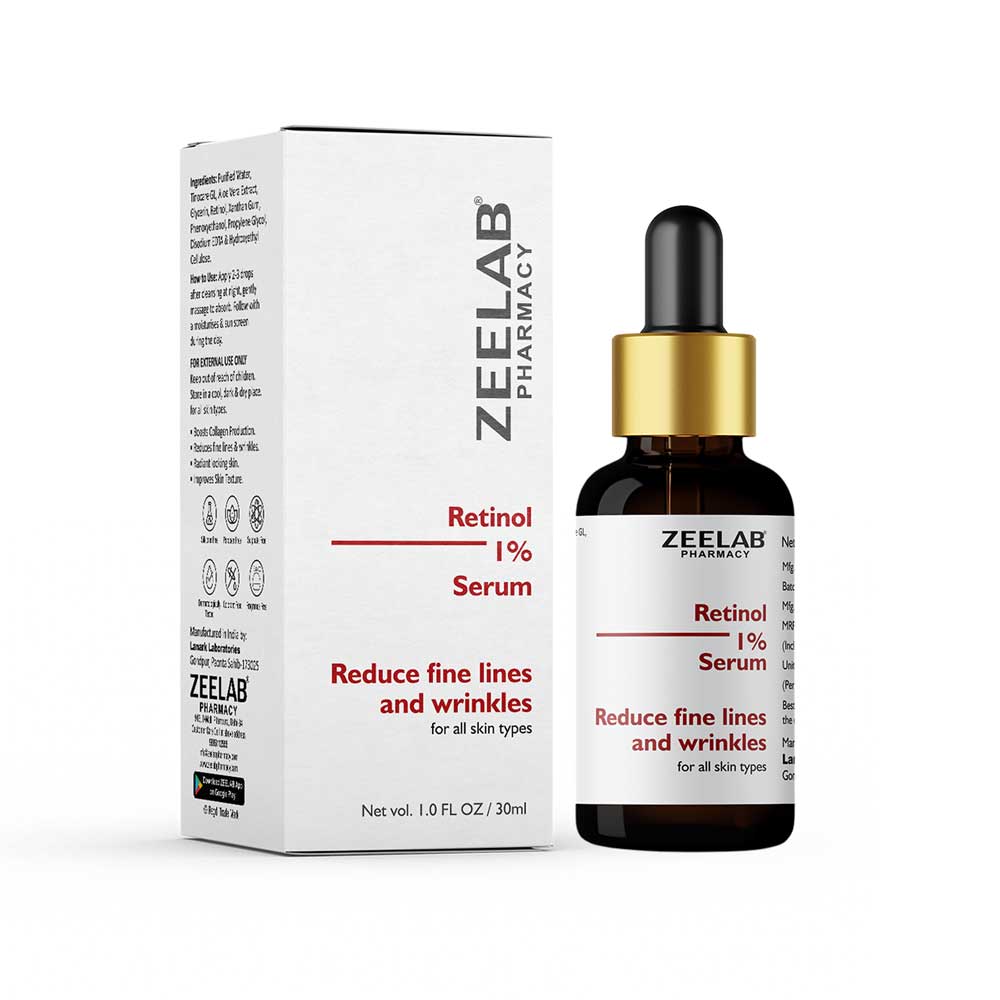
Zeelab Retinol 1% Face Serum
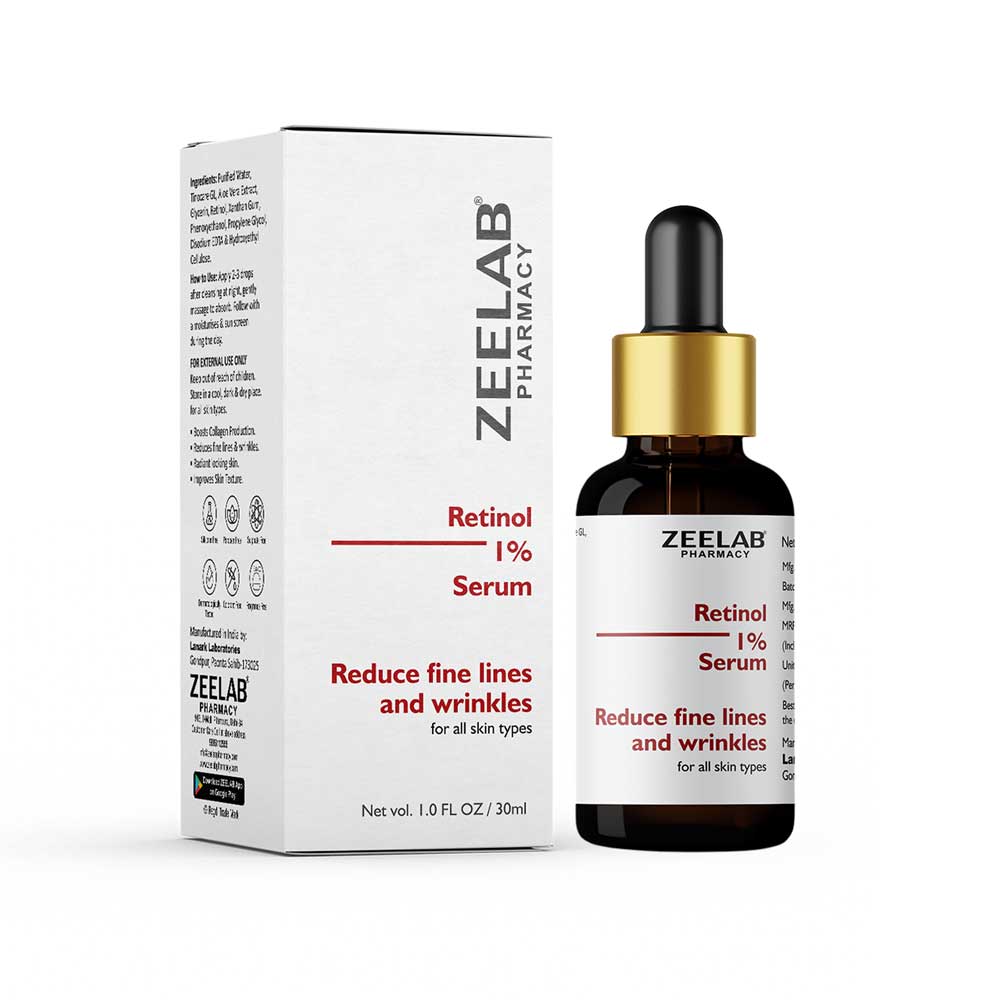
Zeelab Retinol 1% Face Serum contains a Vitamin A derivative that supports skin renewal and collagen production. Retinol is used for improving texture, reducing wrinkles, controlling acne, and promoting clearer, healthier-looking skin with regular use.
- Composition: Retinol 1%
- Benefits: Enhances texture, lessens lines and wrinkles, nourishes collagen, helps regulate acne, and supports visible clarity of the skin.
- How to use: Apply a pea-sized amount on dry skin at night, followed by moisturiser.
- Who should buy: Buy retinol serum online at Zeelab, as it is ideal for beginners with fine lines, acne marks, or uneven skin texture.
Retinoid vs Retinol: Which One Should You Choose?
Whether to choose Retinoid or Retinol really depends on your concern, your skin type, and your tolerance for certain active ingredients. They're both good options, but the best one for you really depends on the level of potency that your skin requires.
|
Concern / Skin Type |
Best Option |
|
Beginners / Sensitive Skin |
Retinol |
|
Mild Concerns |
Retinol |
|
Moderate–Severe Concerns |
Retinoids |
|
Experienced Users |
Stronger Retinoids |
|
Severe Cases |
Consult Dermatologist |
Can Retinoids and Retinol Be Used Together?
Well, retinoids and retinol are in the same vitamin A class, so they shouldn't be used together in your routine. Using both at once can overload the skin, which may cause irritation, redness, and dryness, with no additional benefit over using one of these products alone.
When transitioning from retinol to a prescription retinoid, it is best to stop retinol first and allow your skin to adjust before starting the stronger option.
In some cases, dermatologists may suggest a gradual transition or rotation strategy, but this should only be done under medical supervision to avoid skin damage and ensure safe use.
Side Effects and Safety Considerations for Retinol and Retinoids
While retinoids and retinol are effective in skin care, there have been some side effects, mostly in the initial period of adaptation. Proper usage can help control the side effects.
- Dryness, redness, and irritation of the skin often occur in the first few weeks.
- Peeling or flaking as the skin adjusts to the increased rate of cell turnover
- Increased sensitivity to sunlight, making daily sunscreen essential
- Temporary worsening of acne, often called the “purging phase”
- Higher irritation risk with strong prescription retinoids compared to retinol.
- Start with lower concentrations and use them gradually to improve skin tolerance.
Who Should Avoid Retinoids?
Retinoids are highly effective, but they are not suitable for everyone. The following individuals should avoid or use retinoids only under medical supervision:
- Pregnant or breastfeeding women
- Individuals planning a pregnancy
- People with extremely sensitive or eczema-prone skin
- Those with rosacea or chronic skin barrier damage
- Individuals experiencing severe skin irritation or allergic reactions
- People using other strong exfoliating treatments (like chemical peels or high-strength AHAs/BHAs)
- Anyone taking oral isotretinoin should avoid combining it with topical retinoids
How to Use Retinol or Retinoids Correctly?
The proper use of retinol or any other kind of retinoids ensures that benefits are maximised and irritations are reduced. A careful and consistent approach helps your skin adjust to it safely.
- Use at night: Retinol and retinoids are best applied at night.
- Introduce gradually: Start 2-3 times a week and increase frequency as your skin builds up tolerance.
- Use the moisturiser sandwich method: Apply moisturiser before and after retinol to reduce dryness and irritation.
- Apply sunscreen daily: These ingredients can increase sun sensitivity, thus sunscreen will help protect the skin and preserve the result.
- Use a small amount: A pea-sized amount is often sufficient for the entire face.
Note: Not recommended during pregnancy and breastfeeding, but under the advice of a doctor.
Also Read: Retinol for Sensitive Skin
Common Myths and Facts About Retinoids and Retinol
There are many misconceptions about using retinoids and retinol, which sometimes might confuse users about how they work or even lead to misuse of these substances. Gaining knowledge about these facts will also be very useful to you.
|
Myth |
Fact |
|
Retinoid and retinol are the same |
Retinol is a type of retinoid, but retinoids include stronger prescription forms |
|
Stronger retinoids always give better results |
The strength should depend on skin type or concern to provoke minimal irritation |
|
Retinol delivers instant effects |
Retinol works slowly, and noticeable results can take a couple of weeks |
|
Retinoids thin the skin |
They actually enhance collagen synthesis and improve skin thickness over time |
|
Retinol cannot be used by beginners |
Beginners can use retinol safely with a gradual introduction |
|
You don’t need sunscreen while using retinoids |
Sunscreen is essential, as retinoids increase sun sensitivity |
Conclusion
In summary, knowing the retinol vs retinoid distinction is essential for choosing the right ingredient based on your skin’s needs and tolerance. The main retinol and retinoid difference lies in their potency, availability, and how quickly they deliver results.
Retinol offers a gentler approach suitable for beginners, while retinoids provide stronger action for more stubborn skin concerns.
With proper use and the right guidance, both can play an important role in improving skin clarity, texture, and overall appearance, helping you build a more effective and personalised skincare routine.
Frequently Asked Questions
Q. What is the main difference between retinoid and retinol?
A. Retinoids are a broader group of vitamin A derivatives, including prescription-strength options, while retinol is a milder, over-the-counter form. Retinoids act more quickly and strongly, whereas retinol acts more slowly, with less risk of irritation.
Q. Retinol or Retinoid, which one is stronger?
A. Retinoids are stronger than retinol because they are either in an active form or converted fast in the skin. Retinol has a multi-step conversion process, which makes it milder and thus safer for beginners and sensitive skin users.
Q. Is retinol considered gentler and safer than retinoids?
A. Retinol is generally considered safer for beginners because it works slowly and causes less irritation. Retinoids are stronger and may cause dryness or redness, especially without proper medical guidance and gradual use.
Q. Which is better for acne management, retinol vs. retinoid?
A. Retinoids are usually more effective for moderate to severe acne because they work faster and more powerfully. Retinol can still help mild acne by improving cell turnover and preventing clogged pores gradually.
Q. Can I use retinol and retinoid together?
A. No, as it is not advisable to use both retinol and retinoid at the same time. That is because both products fall in the same vitamin A category, and extra sensitivity and dryness may occur.
Q. How much time do retinoids need to show results?
A. Retinoids can produce results within 4 to 8 weeks. They take effect faster than retinol because they are more potent in directly acting on skin cells to address problems like acne, pigmentation, and skin texture.
Q. Should I consult a dermatologist before using retinoids?
A. Yes, consulting a dermatologist is recommended before using prescription retinoids. They can assess your skin type, recommend the right strength, and guide safe usage to minimise irritation and side effects.
Q. As a beginner, what should I use: retinol or retinoid?
A. Retinol is better for beginners because it is gentler and easier for the skin to tolerate. It helps improve skin gradually without causing severe irritation compared to stronger prescription retinoids.
Q. Are retinoid and retinol the same?
A. No, retinoid and retinol are not the same. Retinol is a type of retinoid, but retinoids include stronger prescription forms. Retinol is gentler and commonly used in cosmetic skincare products.
Q. Is retinol good for long-term use for skincare?
A. Yes, retinol is suitable for long-term use when used correctly. It helps maintain skin renewal, supports collagen production, and improves overall skin health with consistent and gradual application over time.
Recent Blogs



Disclaimer : Zeelab Pharmacy provides health information for knowledge only. Do not self-medicate. Always consult a qualified doctor before starting, stopping, or changing any medicine or treatment.
Related Products


₹ 0
0
Items added
Quick Links
Categories
Our Policies

Our Socials


Subscribe

2026 Copyright By © Zeelab Pharmacy Private Limited. All Rights Reserved
Our Payment Partners

 Added!