

Nutrients for Hair Growth and Hair Fall Control in Men and Women: A Complete Guide
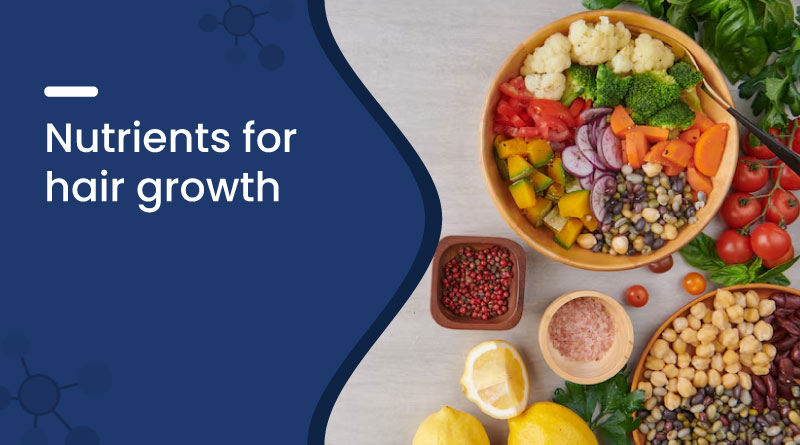
Hair growth is closely linked to your overall nutritional status, as hair follicles rely on a steady supply of essential nutrients for hair growth to function properly. Proteins, vitamins, and minerals help support the hair growth cycle and prevent over-shedding of the hair. When the body lacks key nutrients such as iron, biotin, or protein, hair may become weak, thin, and more prone to breakage.
If you are wondering how to make hair grow longer, don’t forget to nourish your hair internally as much as you do externally. Using topical products will only improve hair appearance and protect against damage; they won’t correct underlying nutritional deficiencies.
Proper nutrition helps nourish hair from within, supporting healthier follicles and promoting stronger, longer, and more resilient hair over time.
This blog will help you find what key nutrients are essential for promoting natural hair growth, hair growth nutrients for men and women, along with some lifestyle tips for hair growth.
What Nutrients Are Essential for Healthy Hair Growth?
Proper nutrient intake for healthy hair can strengthen the follicle while enhancing keratin development and overall growth. The following table highlights essential nutrients, their role in hair health, and natural food sources you can include in your daily diet for better nourishment.
|
Nutrient |
Role in Hair Growth |
Natural Sources |
|
Protein |
Forms Keratin, the main component of hair |
Eggs, milk products, lentils, soy, nuts, seeds |
|
Biotin (Vitamin B7) |
Supports keratin production and improves hair strength |
Eggs, almonds, walnuts, whole grains, and bananas |
|
Iron |
Assists in delivering oxygen to hair follicles |
Spinach, lentils, beans, red meat, pumpkin seeds |
|
Vitamin D |
Supports healthy hair follicle function |
Sunlight, fortified milk, eggs, and mushrooms |
|
Vitamin C |
Supports collagen development and improves iron absorption |
Citrus fruits, amla, guava, berries, bell peppers |
|
Zinc |
Helps support follicle health and promote tissue repair |
Nuts, seeds, whole grains, dairy products, legumes |
|
Omega-3 Fatty Acids |
Support scalp health and may help nourish hair follicles |
Flax seeds, walnuts, chia seeds, and fatty |
How Nutrition Affects Hair Growth Cycle?
Hair grows in three main phases: anagen (active growth), catagen (transition), and telogen (resting and shedding). Proper nutrition helps support a longer anagen phase, allowing hair to grow stronger and healthier before entering the shedding stage.
Hair follicles require essential nutrients to produce keratin, the protein that forms the hair shaft. Vitamins, minerals, and proteins help maintain follicle strength, support healthy hair structure, and promote consistent growth.
When the body lacks proper nutrition, hair follicles may become weak, disrupting the normal growth cycle. This can lead to thinning, slower growth, increased breakage, and excessive shedding. A balanced diet helps nourish hair from within and supports overall hair strength and quality.
Also Read: Which Vitamin is Good for Hair Growth?
Which Nutrients Help To Prevent Hair Fall?
Hair growth focuses on producing new strands, while hair fall control involves maintaining strong follicles and reducing shedding. Nutritional deficiency may weaken the follicles and unbalance the hair growth cycle. The following key nutrients may reduce hair shedding:
- Iron: Facilitates increased oxygen supply to hair follicles, promoting healthy growth
- Biotin: Supports keratin production and strengthens hair.
- Zinc: It helps in the repair of tissues and is also important for maintaining healthy hair follicles.
- Vitamin D: An important nutrient that supports the normal cycle of hair growth and follicle function.
- Vitamin C: This supports collagen production and also aids the absorption of iron.
Early signs of deficiency-related hair loss may include excessive shedding, thinning hair, slow regrowth, brittle strands, and reduced hair volume. These symptoms often indicate that the hair follicles are not receiving adequate nourishment.
Signs of Nutrient Deficiency Symptoms Linked to Hair Problems
Nutritional deficiencies may also affect hair by weakening its follicles and interfering with the growth process. Some of the common signs that may point to nutritional deficiencies include:
- Excessive hair shedding: Frequently caused by iron, protein, or vitamin D deficiencies
- Thinning hair or reduced volume: This may occur if there is inadequate protein or zinc.
- Brittle and fragile strands: Usually associated with biotin and protein deficiencies
- Slow hair growth: May result from inadequate quantities of vital vitamins and minerals
- Dry, dull, or lifeless hair: Can be a sign of a lack of Omega-3 fatty acids and other nutrients
- Increased hair breakage: Often caused by poor keratin support due to nutrient imbalance
Best Foods for Hair Growth and Strong Hair
The addition of appropriate nutrient-dense foods to our diet also helps maintain healthy follicles and thus promotes better hair growth. Consuming such foods provides the body with essential vitamins, minerals, and proteins that nourish hair from within and improve overall hair strength and quality.
Hair-Friendly Diet Chart for Better Hair Growth
For a proper intake of important nutrients, here is a recommended hair-friendly diet chart that one must follow, although this may differ according to an individual's requirements.
|
Meal Time |
Hair-Friendly Foods |
Key Nutrients |
|
Morning |
Eggs/soaked almonds/flaxseeds |
Protein, biotin, omega-3 |
|
Breakfast |
Oats with fruits/sprouts |
Iron, zinc, vitamins |
|
Lunch |
Dal, green vegetables, whole grains, curd |
Protein, iron, probiotics |
|
Snack |
Fruits, nuts, seeds |
Vitamin C, healthy fats |
|
Dinner |
Paneer/tofu/fish, vegetables |
Protein, zinc, and essential nutrients |
Plant-Based vs Animal-Based Nutrients for Hair Growth
Foods like lentils, beans, nuts, seeds, spinach, and tofu are plant-based foods that contain iron, zinc, and antioxidants. Animal-based foods such as eggs, dairy products, and fish contain proteins that promote stronger and healthier hair growth.
|
Nutrient |
Plant-Based Sources |
Animal-Based Sources |
|
Protein |
Lentils, chickpeas, beans, tofu, quinoa |
Eggs, chicken, fish, dairy |
|
Iron |
Spinach, legumes, pumpkin seeds |
Red meat, liver, poultry |
|
Biotin |
Nuts, seeds, sweet potatoes |
Eggs (yolk), liver, salmon |
|
Omega-3 Fatty Acids |
Flaxseeds, chia seeds, walnuts |
Fatty fish (salmon, sardines) |
|
Zinc |
Whole grains, nuts, and seeds |
Meat, shellfish, eggs |
|
Vitamin B12 |
Fortified cereals, nutritional yeast |
Meat, fish, eggs, dairy |
|
Vitamin A |
Carrots, sweet potatoes, leafy greens |
Liver, dairy, egg yolk |
|
Vitamin D |
Mushrooms (UV-exposed), fortified foods |
Fatty fish, egg yolk |
Seasonal Foods That Support Hair Health
The seasonal fruits and vegetables, like amla, spinach, carrots, berries, and fruits, are rich in vitamins and antioxidants. Including fresh, seasonal produce helps improve nutrient intake and supports overall scalp and hair health naturally.
Do Hair Growth Supplements Really Work?
Hair growth supplements may help when hair loss is caused by nutritional deficiencies such as low iron, biotin for hair growth, vitamin D, or zinc levels. These supplements support follicle health, improve keratin production, and help restore the nutrient balance needed for normal and healthy hair growth.
However, taking supplements without a confirmed deficiency may not provide benefits and can sometimes cause side effects. Excess intake of certain vitamins and minerals may disrupt the body’s natural balance.
Blood tests are important before starting supplements, as they help identify specific deficiencies. This ensures targeted supplementation, avoids unnecessary intake, and supports safer and more effective management of hair fall.
Best Hair Growth Supplements Recommendation from Zeelab Pharmacy
Choosing the right supplements may help support hair strength and follicle health when combined with proper nutrition. Zeelab Pharmacy offers hair growth supplements with essential nutrients; however, these are general recommendations, and individual results may vary depending on nutritional needs and health conditions.
Zeelab Biotin Tablet
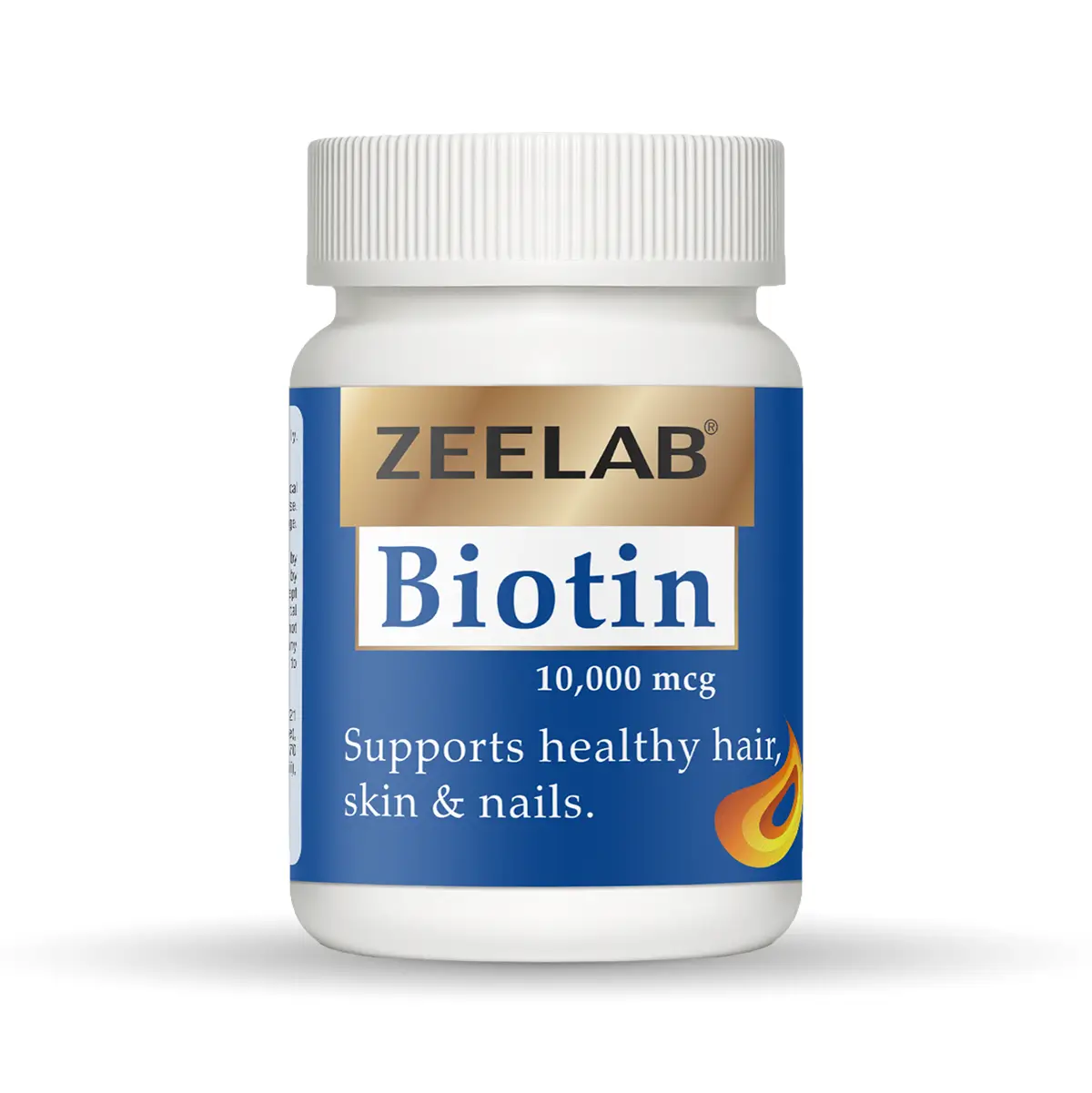
Zeelab Biotin Tablet contains vitamin B7, which supports keratin production and improves hair strength. It helps reduce hair thinning, supports scalp nourishment, and promotes healthier hair regrowth when used to manage biotin deficiency.
- Composition: Biotin (10000mcg)
- Benefits: Supports keratin production, improves hair strength, reduces thinning, and promotes healthier hair regrowth.
Densihair Softgel Capsule
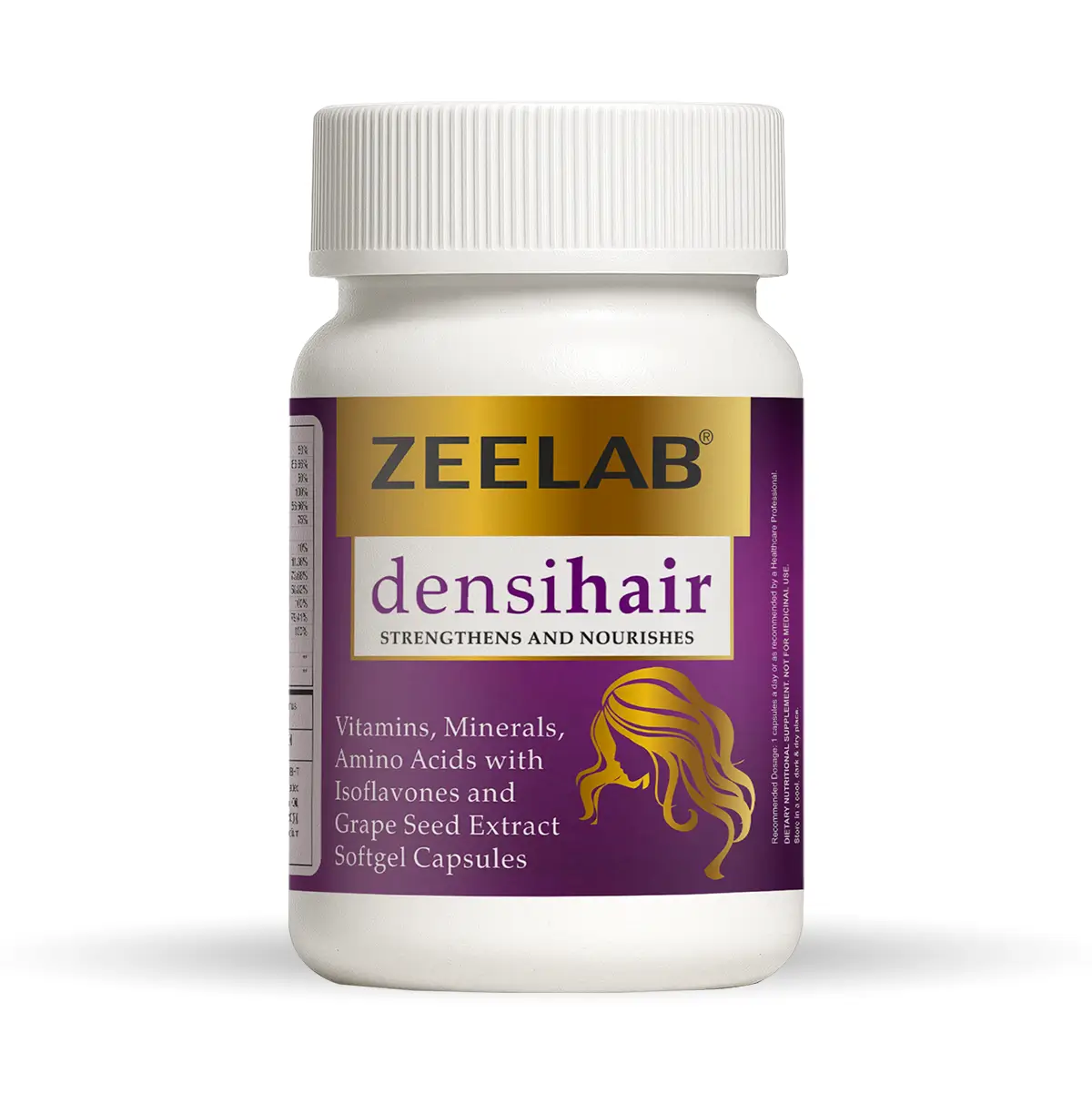
Zeelab Densihair Softgel Capsule is a nutritional supplement enriched with vitamins, amino acids, and minerals needed for healthy hair growth. It helps nourish hair follicles, improve hair strength, reduce thinning, and support overall hair density and scalp health.
- Composition: Biotin, Vitamin C, Vitamin E, Vitamin B-complex, Folic acid, Calcium, Zinc, Iron, Amino acids, Isoflavones, Grape seed extract.
- Benefits: Supports hair follicle nourishment, improves density, reduces thinning, and strengthens weak hair strands.
Densihair Men 30 Capsules
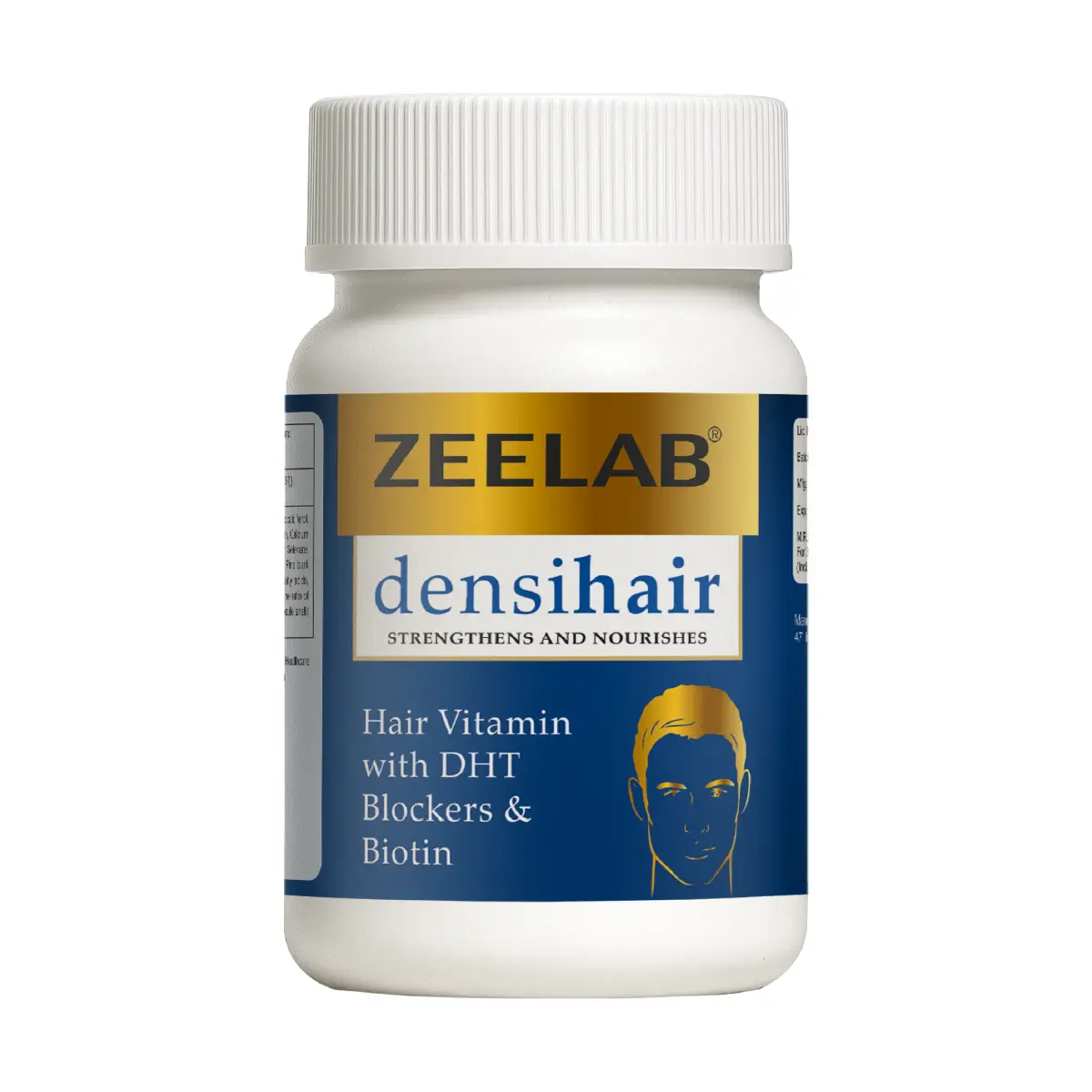
Zeelab Densihair Men Capsule is a nutritional supplement enriched with vitamins, minerals, omega-3, and plant extracts that help nourish follicles, strengthen hair roots, and enhance hair growth while improving scalp health and reducing hair thinning.
- Composition: Omega-3 fatty acids, Vitamin A, Vitamin C, Vitamin D, Vitamin E, Biotin, Folic acid, Vitamin B12, Iron, Zinc, Selenium, Phytosterols, Green coffee extract, Pumpkin seed extract, Lycopene, Bhringraj extract.
- Benefits: Supports hair growth, strengthens follicles, improves scalp health, and reduces hair thinning.
ZEELAB Hair Skin, and Nails Tablet
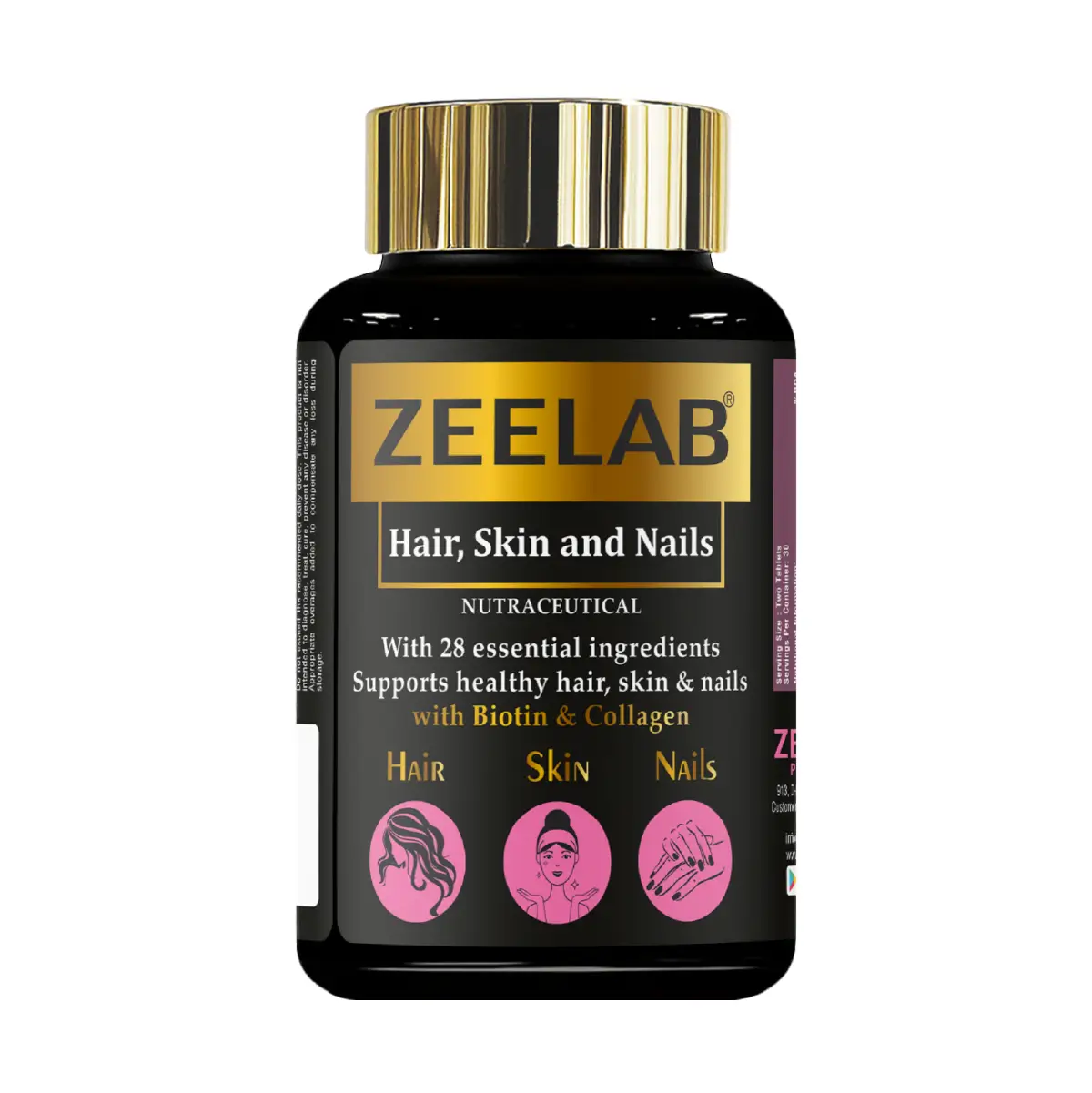
Zeelab Hair Skin and Nails Tablet is a nutritional supplement enriched with biotin, collagen, vitamins, and antioxidants that provide essential nutrients for hair and skin, helping improve hair strength, skin health, and nail durability.
- Composition: Biotin, Collagen, Vitamin C, Vitamins, Minerals, Grape seed extract.
- Benefits: Supports hair strength, improves skin health, and promotes stronger, healthier nails.
Also Read: Best Ingredients for Hair Growth
Nutrients for Hair Growth in Men and Women
Nutrient needs for hair growth differ between men and women. Nutritional deficiencies can worsen hair loss conditions, making balanced intake of essential nutrients important for maintaining healthy hair in both men and women.
|
Aspect |
Women |
Men |
|
Common Nutritional Deficiency |
More prone to iron deficiency due to menstruation |
More likely to have inadequate protein or zinc intake |
|
Key Nutrients Needed |
Iron, biotin, vitamin D, protein |
Protein, zinc, omega-3 fatty acids, and vitamin D |
|
Role in Hair Health |
Supports oxygen supply to follicles and reduces shedding |
Supports keratin production and strengthens hair structure |
|
Risk if Deficient |
Increased hair shedding and diffuse thinning |
Weak hair strands, thinning, and reduced hair strength |
|
Diet Focus |
Iron-rich foods like leafy greens, legumes, and dates |
Protein-rich foods like eggs, dairy, nuts, and seeds |
Lifestyle Tips to Improve Nutrient Absorption
Proper absorption of nutrients required for hair growth is essential for maintaining strong follicles and healthy hair. Healthy lifestyle habits can help improve nutrient utilisation and support overall hair health.
- Maintain a balanced diet: Include a variety of whole foods rich in vitamins, minerals, and protein
- Support gut health: Consume probiotic-rich foods like curd and fermented foods
- Stay hydrated: Adequate water intake helps transport nutrients throughout the body
- Avoid excessive processed foods: Highly processed foods may interfere with nutrient absorption
- Ensure adequate sunlight exposure: Helps support vitamin D levels and overall hair health
- Manage stress levels: Chronic stress may affect nutrient utilisation and hair growth
Also Read: Best Foods for Premature Grey Hair
Common Myths About Nutrients and Hair Growth
Many people believe that simply increasing certain nutrients will instantly improve hair growth. However, hair health depends on balanced nutrition, overall health, and proper nutrient absorption, not excessive intake of a single vitamin or mineral.
|
Myth |
Fact |
|
Taking more biotin always speeds up hair growth |
Biotin helps only if there is a deficiency; excess intake may not provide additional benefits |
|
Supplements work better than food sources |
Natural foods provide better nutrient balance and support overall health |
|
Hair fall is not related to nutrition |
Nutrient deficiencies can weaken follicles and contribute to hair shedding |
|
Protein intake only affects muscles, not hair |
Hair is made of keratin, a protein that requires adequate dietary protein |
|
Results from nutrients are immediate |
Hair growth is gradual, and nutritional improvements take time to show visible results |
|
Only external products improve hair health |
Internal nutrition plays a key role in maintaining healthy hair follicles |
Conclusion
Healthy hair growth depends on consistent internal nourishment and a balanced intake of essential nutrients. Ensuring adequate nutrients for good hair, such as protein, iron, biotin, zinc, and vitamins, helps support strong follicles, reduce breakage, and maintain the natural growth cycle.
While external care can improve hair appearance, long-term hair strength largely depends on receiving the right nutrients important for hair through diet and proper lifestyle habits.
Nourishing your hair with nutrient-rich foods, knowing deficiencies well in advance, and generally maintaining good health support stronger, healthier, and more resilient hair.
Also Read: Best Shampoo for Hair Growth
Frequently Asked Questions
Q. Which nutrients help hair growth the most?
A. The most important nutrients for hair growth include protein, biotin, iron, zinc, vitamin D, vitamin C, and omega-3 fatty acids. These nutrients support keratin production, strengthen follicles, and help maintain a healthy hair growth cycle.
Q. Can a poor diet cause hair loss?
A. Yes, a poor diet lacking essential nutrients can weaken hair follicles, disrupt the growth cycle, and increase shedding. Balanced nutrition supports follicle strength and helps maintain healthy hair growth over time.
Q. Do hair supplements truly support healthier hair growth?
A. Hair growth supplements may help if hair loss is caused by nutritional deficiencies. They support follicle health and restore nutrient balance, but should be taken only after proper evaluation or medical advice.
Q. How long does it take nutrients to improve hair growth?
A. Hair growth improvements from proper nutrition usually take two to three months. Hair grows slowly, so consistent intake of essential nutrients is needed to see visible improvements in strength and thickness.
Q. Are plant-based foods good for hair growth?
A. Yes, plant-based foods like lentils, nuts, seeds, and leafy greens provide iron, zinc, and antioxidants. These nutrients help support follicle health and promote stronger, healthier hair growth.
Q. How can I improve nutrient absorption for hair growth?
A. Maintain a balanced diet, stay hydrated, support gut health with probiotics, and ensure adequate sunlight exposure. These habits help improve nutrient absorption and support healthier hair growth.
Q. Which fruit is best for hair growth?
A. Fruits like amla, oranges, berries, and guava are rich in vitamin C and antioxidants. They support collagen production, improve nutrient absorption, and help maintain healthy hair growth.
Q. Which vitamins are best for hair growth?
A. Vitamins biotin (B7), vitamin D, vitamin C, vitamin E, and vitamin B12 are important for hair growth. They support follicle health, keratin production, and help maintain stronger, healthier, and thicker hair.
Q. Should I take vitamins daily for hair growth?
A. Vitamins should be taken daily only if there is a deficiency or increased requirement. It is important to follow recommended doses and consult a healthcare professional before starting supplements.
Q. Which nutrients should I take to prevent hair fall?
A. To help prevent hair fall, focus on nutrients important for hair fall, such as iron, biotin, protein, zinc, and vitamins D and C. These nutrients support follicle strength, improve hair structure, and help reduce excessive shedding.
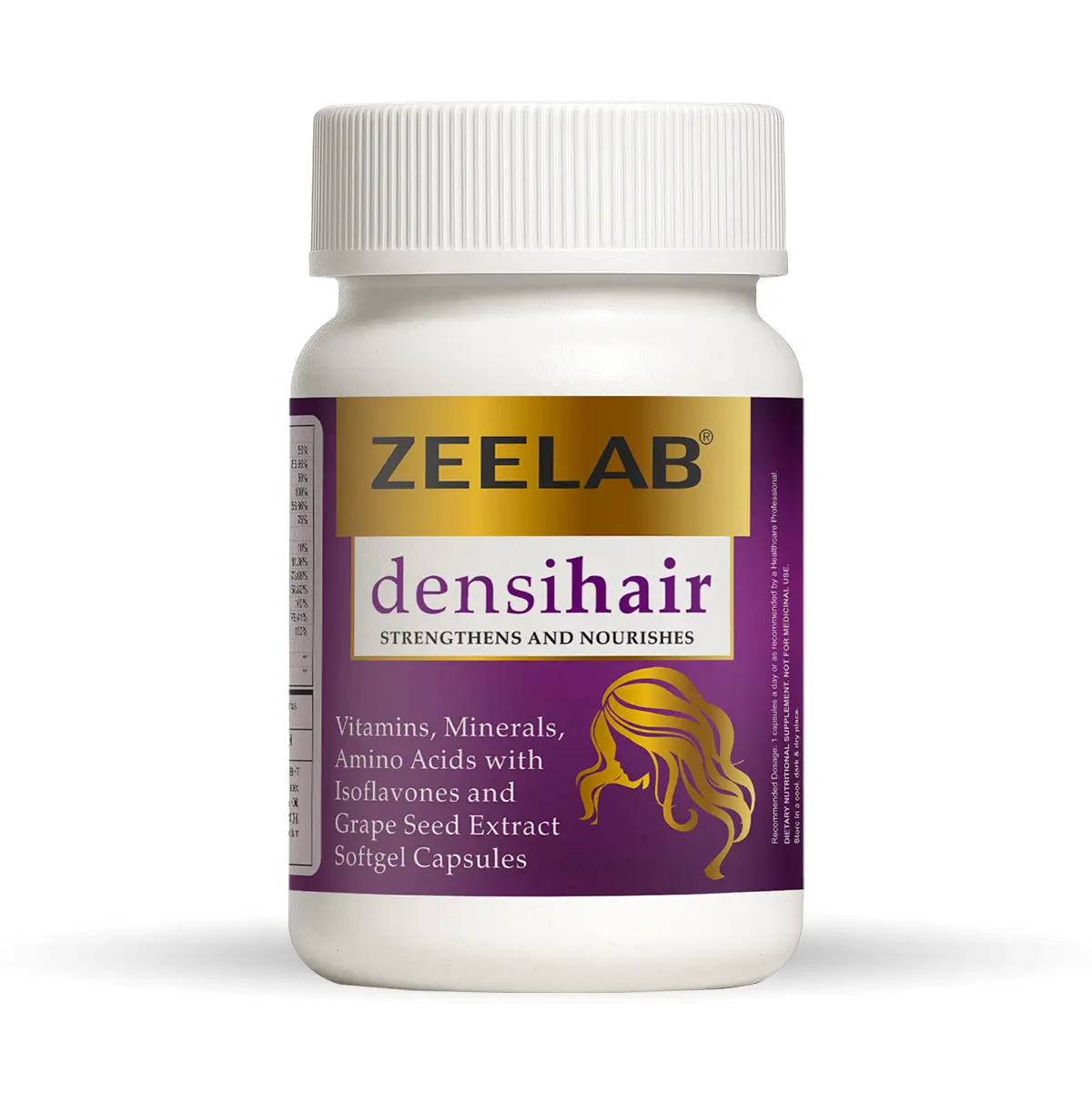
Vitamin C (40 mg) + Vitamin B3 (12 mg) + Vitamin E (5 mg) + Vitamin B5 (5 mg) + Folic Acid (100 mcg) + Biotin (30 mcg) + Calcium (100 mg) + Magnesium (50 mg) + Iron (14 mg) + Zinc (10 mg) + Manganese (4 mg) + Copper (1.35 mg) + Selenium (40 mcg) + L-Glutamic Acid (61.8 mg) + DL-Methionine (40 mg) + L-Aspartic Acid (36.2 mg) + L-Leucine (23.8 mg) + L-Arginine (23.5 mg) + L-Lysine (19.6 mg) + L-Proline (16 mg) + L-Serine (16 mg) + L-Phenylalanine (16 mg) + L-Isoleucine (14.6 mg) + L-Valine (14 mg) + Glycine (12.8 mg) + L-Tyrosine (11.9 mg) + L-Alanine (11.9 mg) + L-Threonine (11.3 mg) + L-Histidine (7.7 mg) + L-Cysteine (3.9 mg) + L-Tryptophan (3.6 mg) + Soya Isoflavones (50 mg) + Grape Seed Extract (20 mg)
30 Capsules In 1 Jar
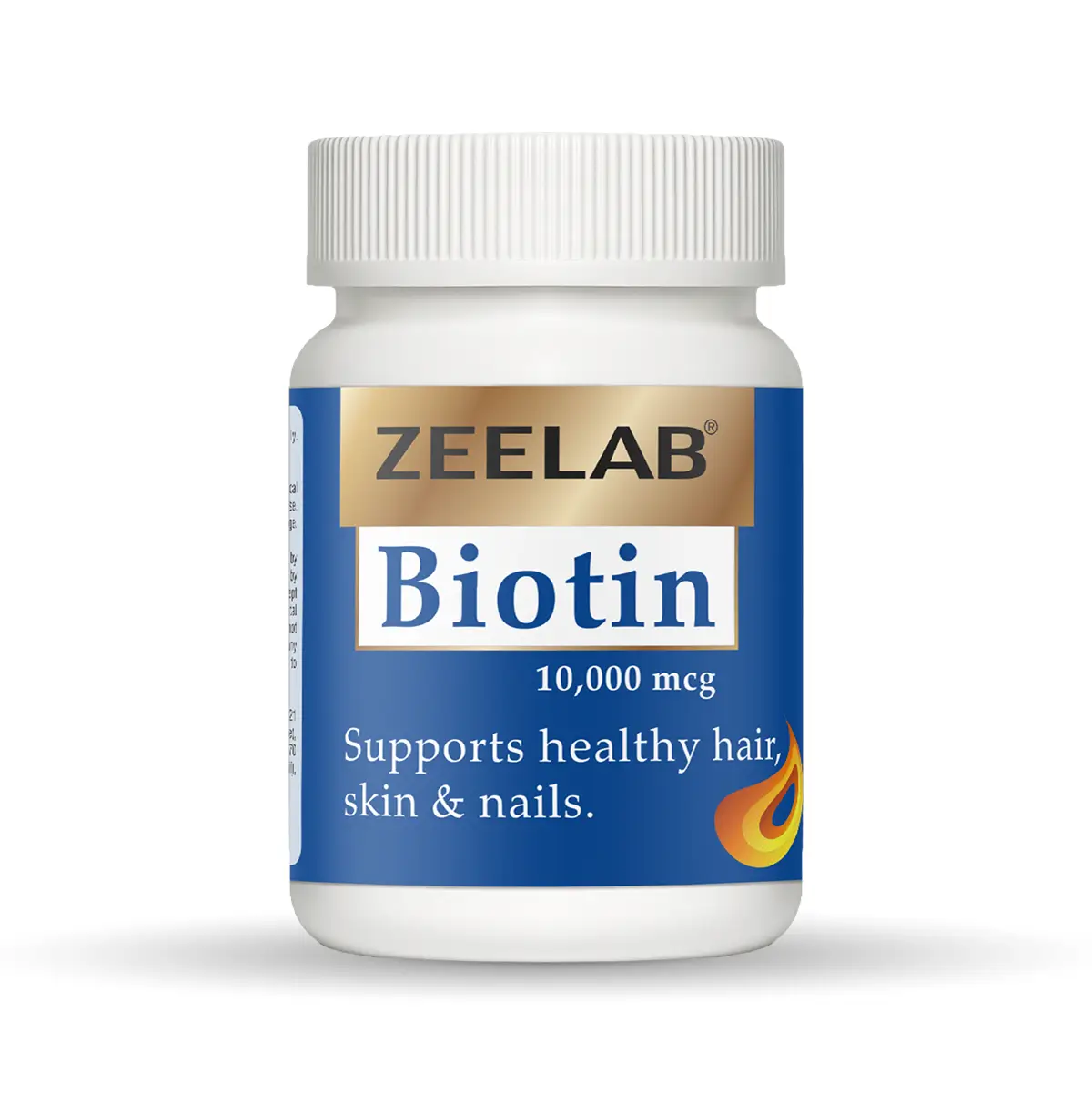
Biotin (10000mcg)
60 Tablets Per Bottle
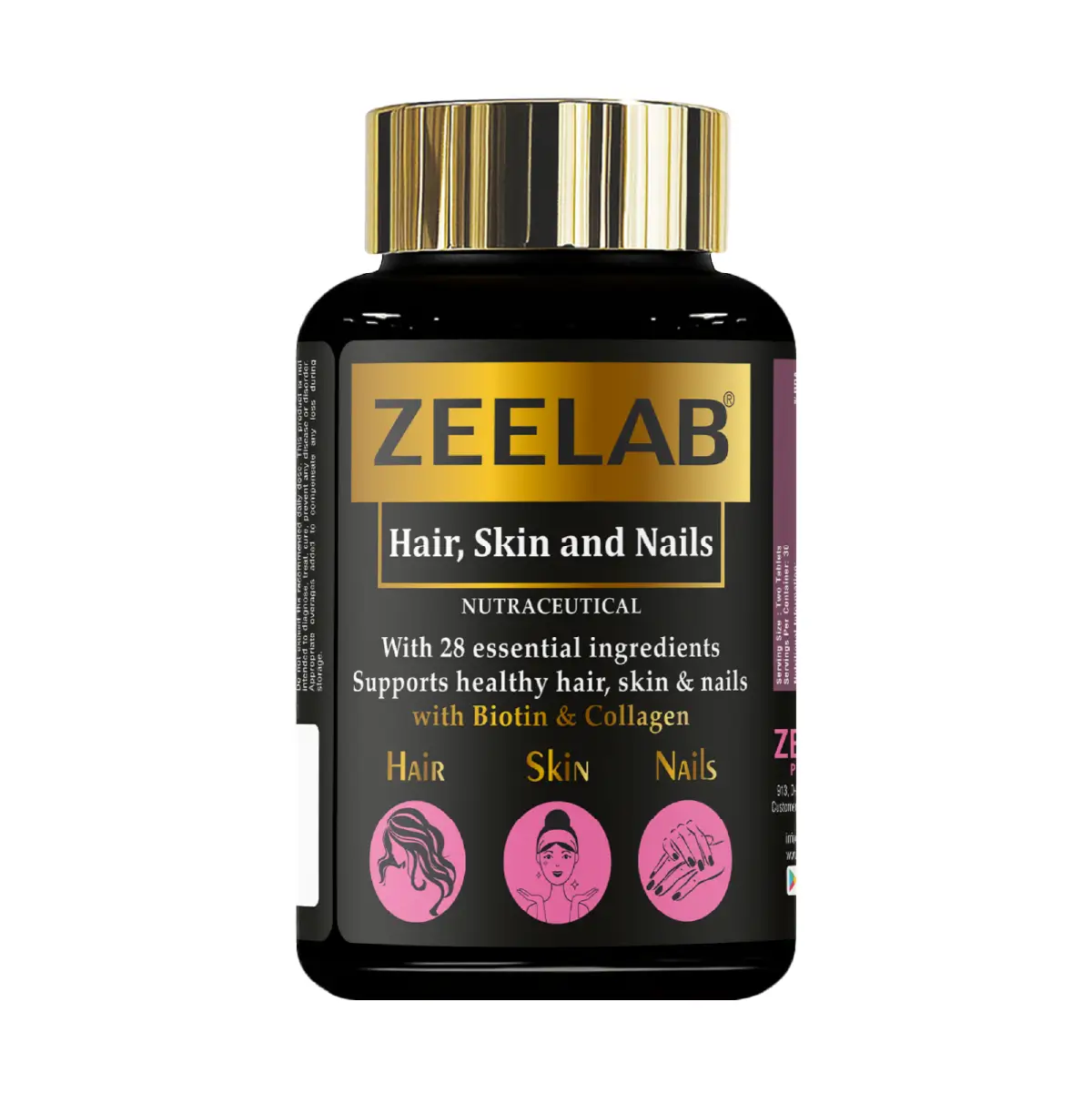
Each serving of 2 tablets contains: Vitamin A (840 mcg) + Vitamin C (65 mg) + Vitamin D3 (600 IU) + Vitamin E Acetate (9 mg) + Vitamin B1 (2.2 mg) + Vitamin B2 (3.1 mg) + Vitamin B3 (18 mg) + Vitamin B6 (2.4 mg) + Folic Acid (120 mcg) + Vitamin B12 (2.2 mcg) + Biotin (40 mcg) + Vitamin B5 (5 mg) + Calcium (200 mg) + Phosphorus (100 mg) + Zinc (13.2 mg) + Copper (1.7 mg) + L-Cysteine (100 mg) + DL-Methionine (100 mg) + Alpha-Lipoic Acid (10 mg) + Boron (1 mg) + Lutein (2 mg) + Zeaxanthin (400 mcg) + Grape Seed Extract (5 mg) + Citrus Bioflavonoids (25 mg) + Hyaluronic Acid (5 mg) + Resveratrol (20 mg) + Collagen Hydrolysed Powder (100 mg) + Cranberry Fruit Concentrate (10 mg)
60 Tablets Per Bottle
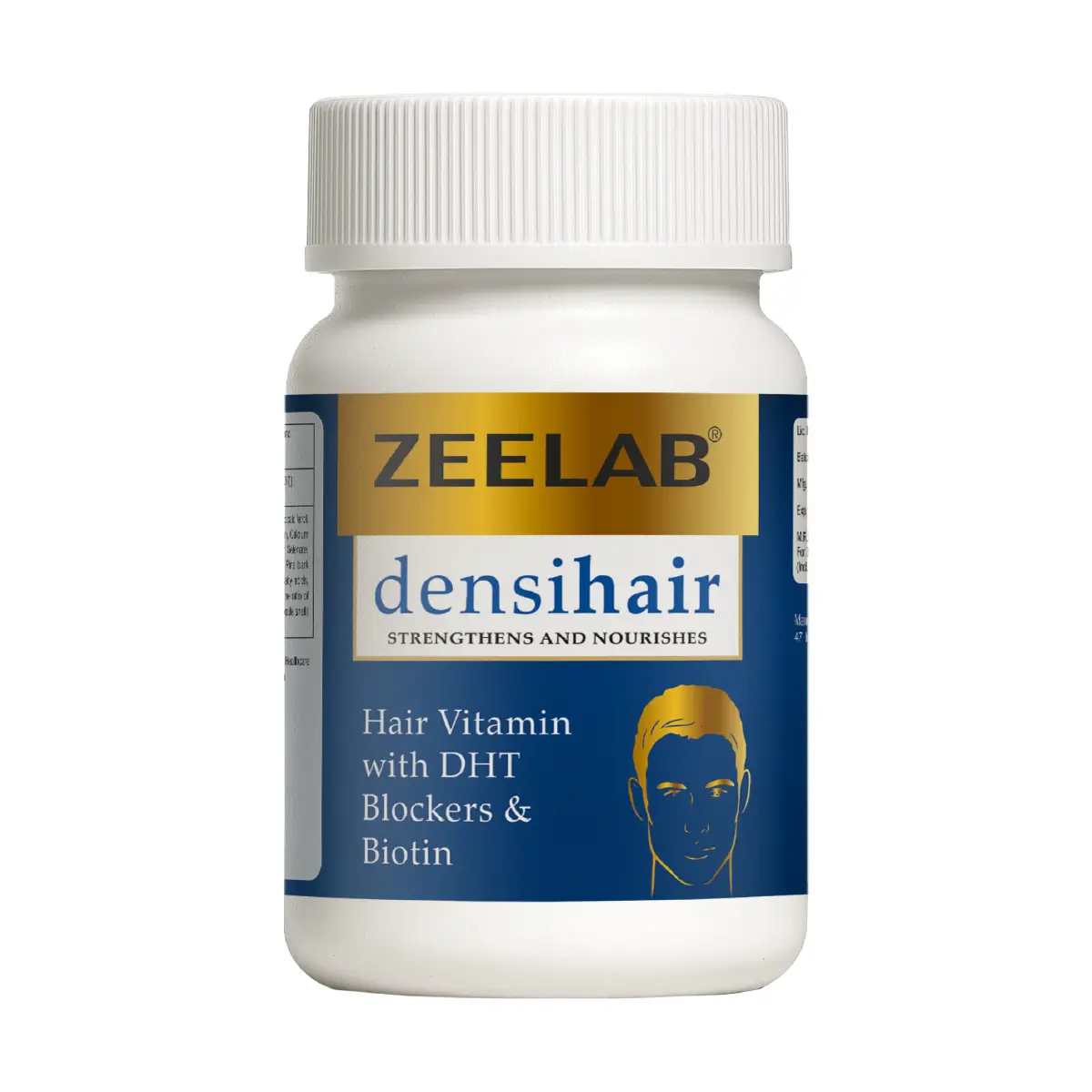
Omega 3 Fatty Acids (100 mg) + Vitamin A (240 mcg) + Vitamin C (16 mg) + Vitamin D (4 mcg) + Vitamin E (4 mg) + Vitamin B9 (47.2 mcg) + Vitamin B12 (0.4 mcg) + Biotin (12 mcg) + Vitamin B5 (2 mg) + Iron (6.8 mg) + Zinc (4.8 mg) + Selenium (16 mcg) + Phytosterols (90 mg) + Green Coffee Extract (50 mg) + Pine Bark Extract (50 mg) + Pumpkin Seed Extract (40 mg) + Lycopene (5 mg) + Bhringraj Extract (50 mg)
30 Capsules In 1 Jar
Recent Blogs




Disclaimer : Zeelab Pharmacy provides health information for knowledge only. Do not self-medicate. Always consult a qualified doctor before starting, stopping, or changing any medicine or treatment.
Related Products


₹ 0
0
Items added
Quick Links
Categories
Our Policies

Our Socials


Subscribe

2026 Copyright By © Zeelab Pharmacy Private Limited. All Rights Reserved
Our Payment Partners

 Added!