

Best Supplements for Breastfeeding Mothers | A Complete Vitamins & Nutrition Guide

Motherhood is the most special and difficult phase in a woman's life. After birth, the baby is not given solid food for a minimum period of 6 months, and this is when breastfeeding becomes one of the most important stages for both mother and baby.
A breastfeeding mother not only nourishes herself but also provides essential nutrients that support her baby’s growth, brain development, and immunity.
During lactation, the body requires more energy, protein, vitamins, and minerals to maintain healthy milk production.
However, maintaining optimal nutrition during this period can sometimes be challenging due to busy schedules, dietary restrictions, or inadequate food intake.
In such situations, certain supplements may help support maternal health and fill possible nutritional gaps. But always remember that supplementation should always be guided by scientific evidence and medical advice.
This guide will help you to understand the nutritional requirements for lactating mothers, how breastfeeding supplements can help and the best lactation supplements in India.
Understanding Nutritional Needs During Lactation
During the period of breastfeeding, the mother’s body will need extra energy and nutrients to produce the milk for the baby. On average, lactating women will need an extra 450 to 500 calories a day to help them maintain proper energy levels.
In addition to the extra calories, a breastfeeding mother's diet should include increased amounts of iron, calcium, iodine, vitamin D, and vitamin B12 to support her and her baby.
If a mother has poor nutrition, it may also affect the levels of specific nutrients in breast milk, such as vitamin B12, iodine, and vitamin D.
Some women may be at higher risk of such deficiencies due to a vegetarian or vegan diet, anaemia, not getting enough sunlight, and multiple or closely spaced pregnancies.
Essential Vitamins for Breastfeeding Mothers
Taking vitamins while breastfeeding is important as it supports both maternal health and a baby’s development during the breastfeeding period.
Because we know that what the mother eats highly influences the quality of breast milk, which in turn influences the baby’s health.
|
Vitamin |
Why It Is Important During Breastfeeding |
Common Food Sources |
|
Vitamin D |
It is beneficial for calcium uptake and the sustainability of strong bones in the mother and baby. |
Sunlight exposure, fortified milk, egg yolk, fatty fish |
|
Vitamin B12 |
Essential to nerve function and assistance with healthy brain development for infants. |
Dairy products, eggs, fish, meat, fortified cereals |
|
Folic Acid (Vitamin B9) |
Helps to produce red blood cells, provides cell growth and function and assists in recovery after pregnancy. |
Green leafy vegetables, legumes, citrus fruits, fortified grains |
|
Vitamin C |
Increase immunity and improve the absorption of iron in the body. |
Citrus fruits, guava, berries, tomatoes, bell peppers |
Important Minerals Required During Breastfeeding
Minerals are critical for ensuring that both mother and baby receive all essential nutrients while a mother is breastfeeding.
Since the body continues to provide important nutrients through breast milk, a sufficient intake of minerals is necessary throughout this phase.
- Iron is one of the essential minerals required to maintain healthy red blood cells and to prevent postpartum anaemia, which leads to fatigue and weakness for new mothers.
- Calcium is required for the development of strong bones and teeth for both mother and baby, especially as it passes through breast milk during feeding.
- Iodine is another important mineral that promotes the proper development of the baby's brain and nervous system. Adequate iodine intake helps regulate both the mother's and baby’s thyroid function.
- Zinc is important to support the immune system, repair tissue, and promote overall growth.
Maintaining adequate levels of the most important nutrients for a breastfeeding mother, either through a balanced diet or taking supplements under a healthcare professional's advice, is crucial for the proper development of the newborn.
Other Essential Nutrients for Breastfeeding Mothers
In addition to vitamins and minerals, lactating mothers require specific nutrients that support milk production, enhance maternal health, and promote optimal growth and development in the infant.
1. Omega-3 Fatty Acids (DHA)
Omega-3 fatty acids, or DHA (docosahexaenoic acid) is vital for the proper growth and development of the baby. Since it is a component of the brain and retina, it is vital for the proper development of the brain and cognitive development in infants.
The amount of DHA in the breast milk depends on the mother’s diet. Hence, it is advised that breastfeeding mothers should consume foods rich in DHA regularly. But when natural sources are not enough, the intake of DHA supplements arises.
|
Source Type |
Examples |
Notes |
|
Dietary Sources |
Fatty fish (salmon, sardines, mackerel), walnuts, chia seeds, flaxseeds, fortified foods |
Natural sources of omega-3 fatty acids in a well-balanced diet. |
|
Supplementation |
Fish oil or algae-derived DHA supplements |
Can be used if dietary sources are inadequate or limited. |
|
Recommended Intake |
200-300 mg of DHA per day for breastfeeding women |
Recommended intake may differ and should be based on a healthcare provider's advice. |
2. Protein Supplements for Lactating Mothers
Protein requirement for a lactating mother increases to help in the recovery of the mother and the production of milk. The protein required by lactating mothers is around 1.1 g/kg body weight/day or more.
- Higher protein demand: For tissue repair and milk production.
- When supplements may help: When protein from the diet is inadequate or when meals are not regular.
- Safe choices: Try lactation-friendly protein supplements with fewer ingredients and less added stuff.
- Medical advice: Always consult a doctor before using supplements.
3. Probiotics for Digestive Health
Probiotics are beneficial microbes that help in maintaining digestive health. They can also help in the health of the mother during breastfeeding and even affect the baby’s digestive health.
- Supports maternal gut health: Probiotics help in the maintenance of a healthy gut. This can help in digestion and the comfort of the mother.
- Possible benefits for infants: Some new research indicates that they can help in reducing the possibility of colic and eczema in the baby.
- Strain-specific effects: Some benefits depend on the strain of the supplement. It can be Lactobacillus or Bifidobacterium.
- Professional guidance: A professional can help in determining if the mother can take supplements during breastfeeding.
Best Supplement Recommendations for Breastfeeding Mothers in India from Zeelab Pharmacy
Some of the selected supplements from the pharmacy are listed below that could help meet the nutritional requirements of breastfeeding mothers in India.
MY12 500 Tablet

MY12 500 Tablet contains methylcobalamin (vitamin B12) that supports nerve health, red blood cell formation, and energy levels, making it among the best vitamins to take while breastfeeding when B12 intake is insufficient.
- Composition: Mecobalamin (500mcg)
- Benefits: Supports nerve health, red blood cell production, energy levels, and helps manage vitamin B12 deficiency.
Zeelab Omega-3 Fish Oil Capsules

Zeelab Omega-3 Fish Oil Capsules provide DHA and EPA essential fatty acids, making them the best omega-3 supplement for breastfeeding to support brain, heart, and overall health.
- Composition: Omega-3 Fatty Acid (1000mg)
- Benefits: Supports brain function, heart health, joint flexibility, energy levels, and overall wellness.
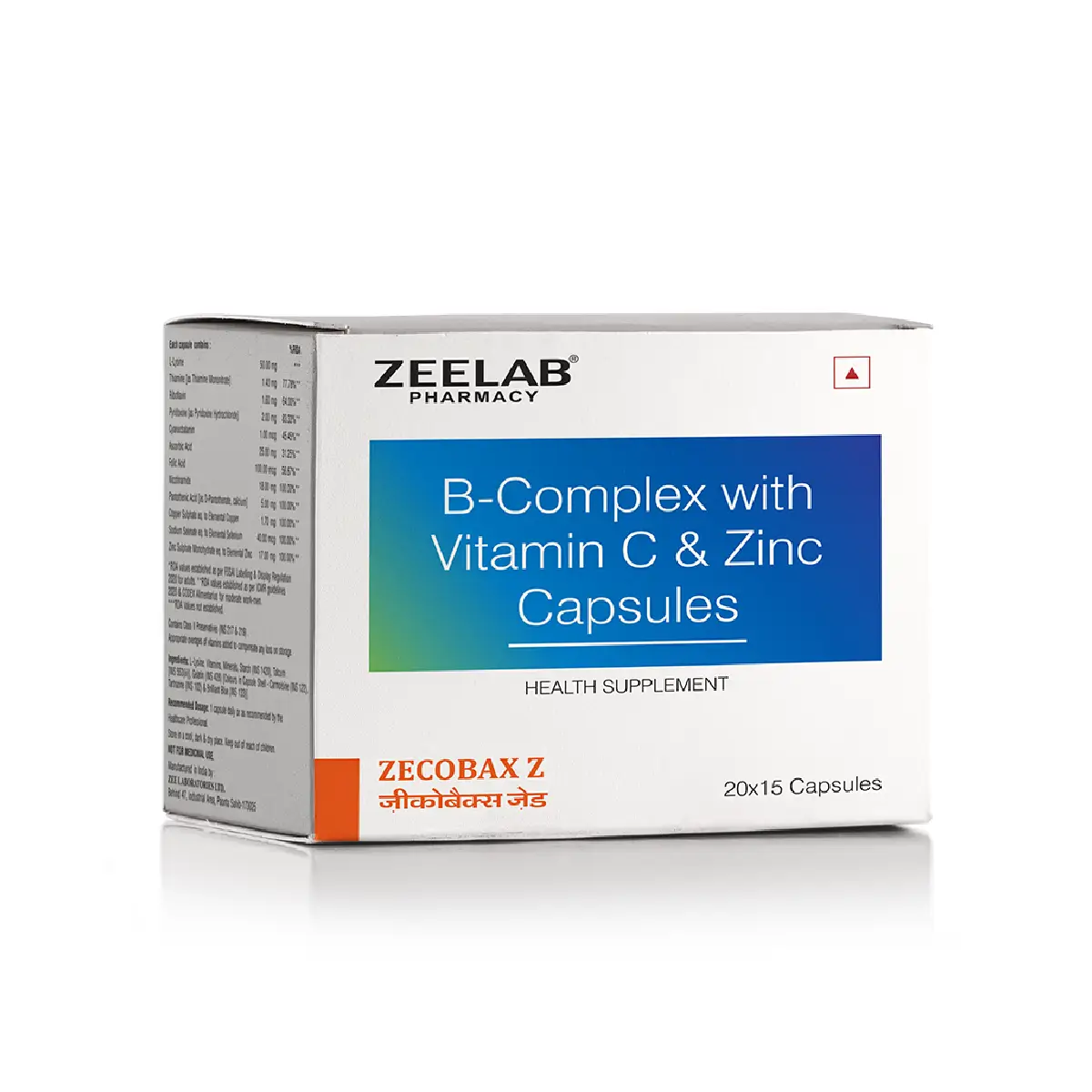
Zecobax Z Multivitamin Capsule
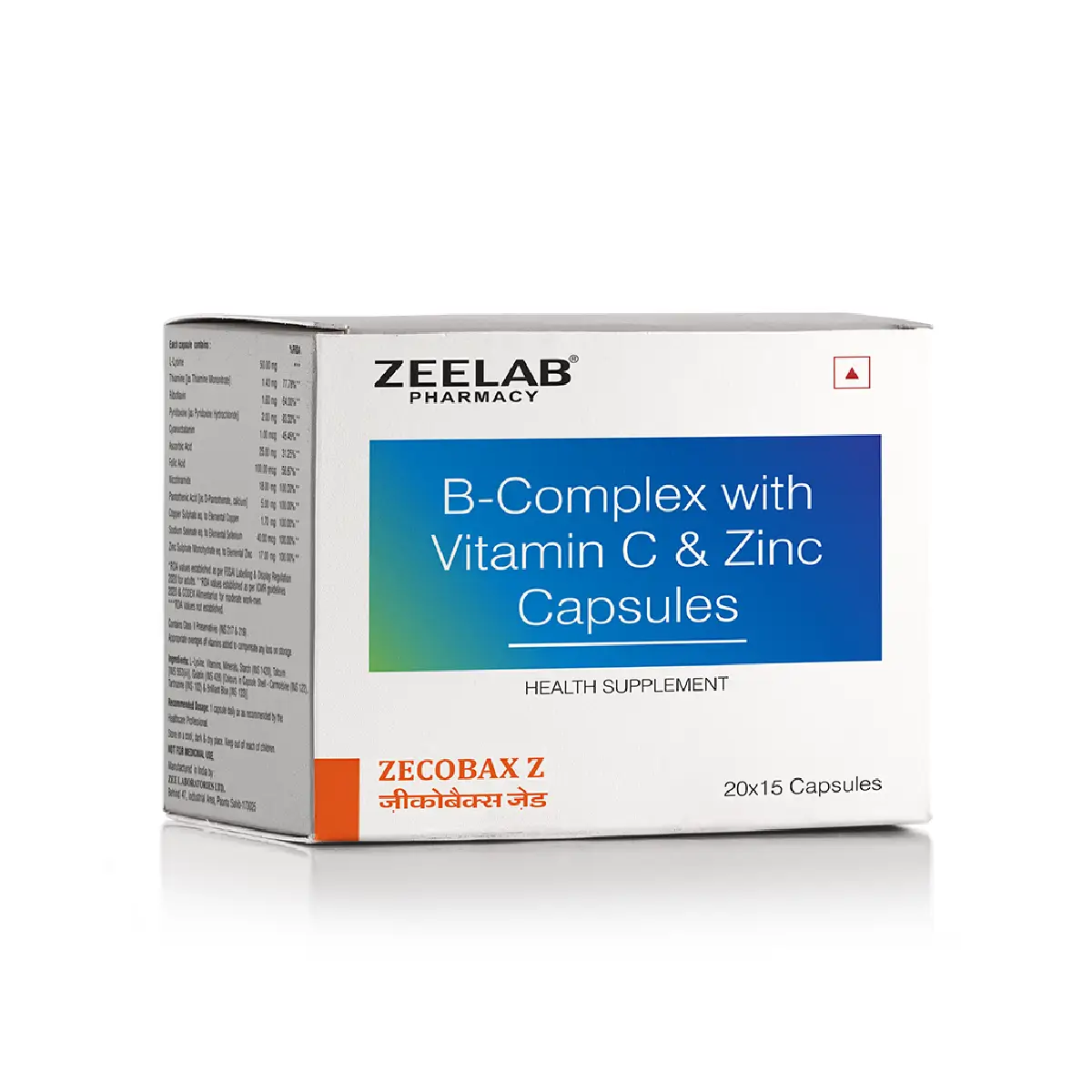
Zecobax Z Capsule provides essential vitamins and minerals, making it one of the best multivitamin tablets for breastfeeding mothers to support daily nutrition and energy.
- Composition: Lysine, Vitamin B1, Vitamin B2, Vitamin B6, Vitamin B12, Vitamin C, Folic Acid, Niacin, Pantothenic Acid, Copper, Selenium, Zinc.
- Benefits: Supports energy production, immunity, nerve health, and helps reduce weakness and fatigue.
Vitazem 5G Softgel Capsule

Vitazem 5G Softgel Capsule contains omega-3 fatty acids, antioxidants, and herbal extracts that help support energy, immunity, and overall nutritional balance.
- Composition: Omega-3 Fatty Acids (EPA 90 mg + DHA 60 mg), Green Tea Extract, Ginseng, Ginkgo Biloba Extract, Iron, Iodine, Calcium, and more.
- Benefits: Supports immunity, energy levels, heart health, and helps maintain overall nutritional wellness.
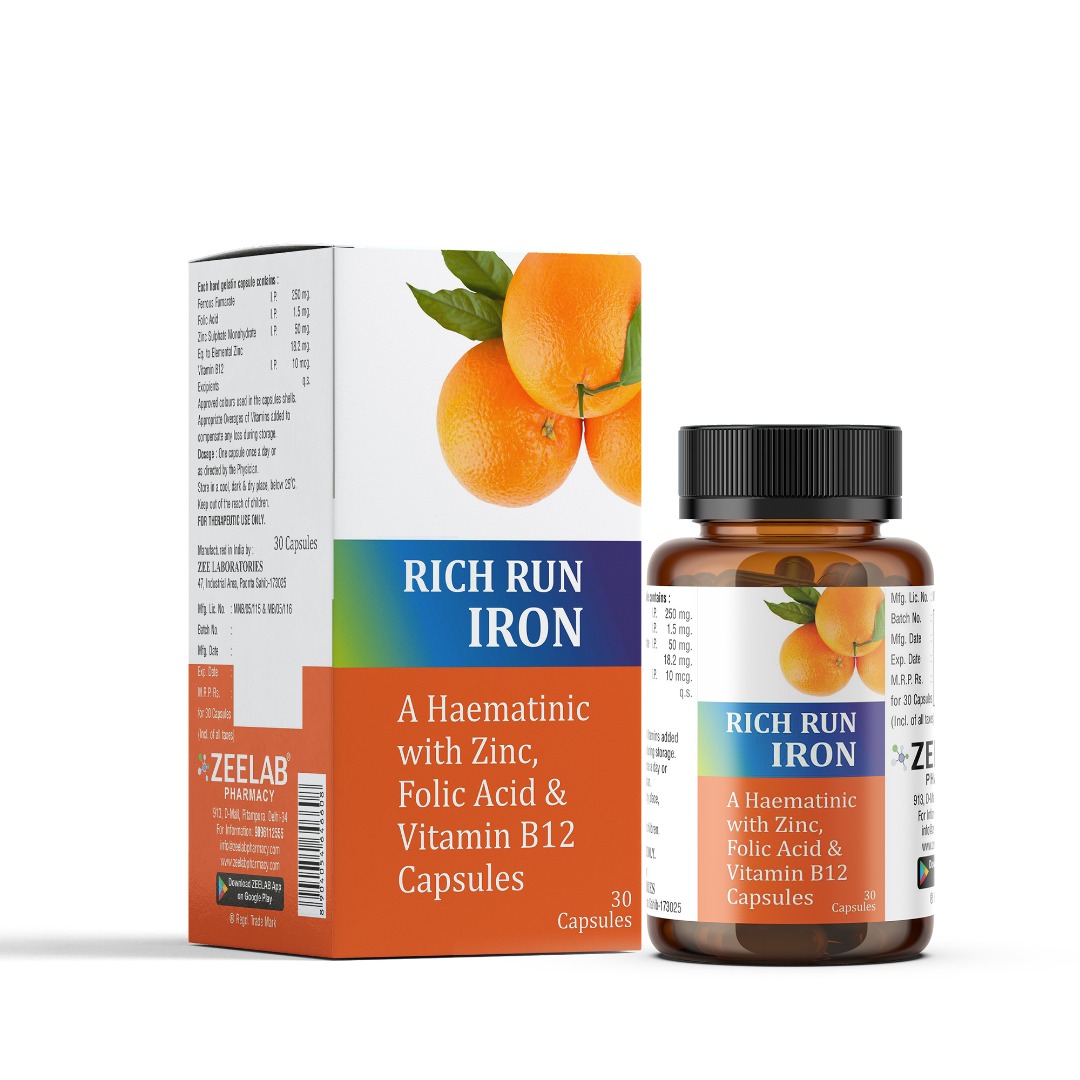
Rich Run Iron Supplement Capsule
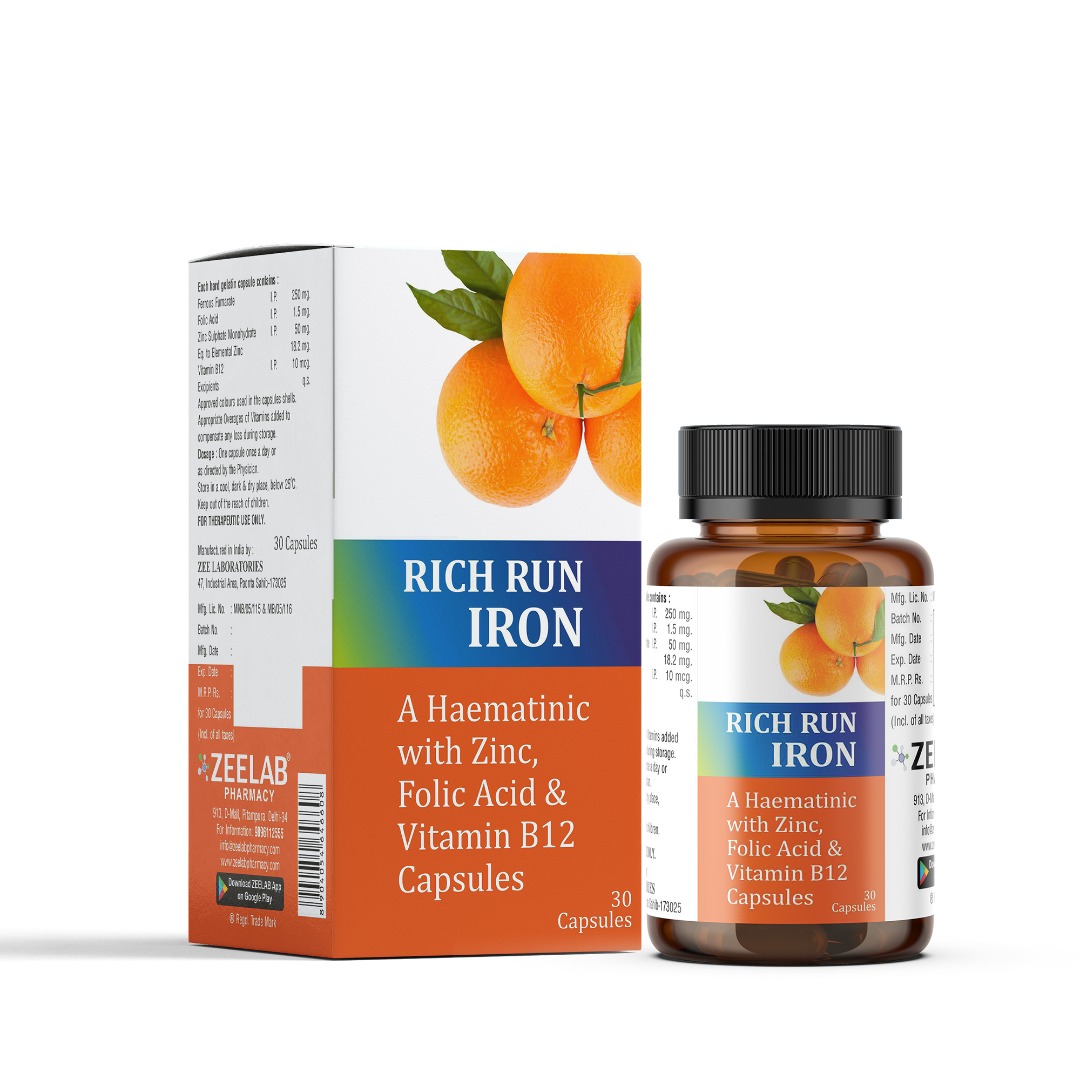
Rich Run Iron Supplement Capsule supports healthy haemoglobin levels and is considered the best iron supplement for breastfeeding mothers with increased iron needs.
- Composition: Ferrous Fumarate, Folic Acid, Zinc Sulphate Monohydrate, Vitamin B12.
- Benefits: Supports haemoglobin formation, improves iron levels, reduces fatigue, and helps maintain overall maternal energy.
Also Read: Importance of folic acid during pregnancy
Herbal Supplements for Breastfeeding Mothers
Some herbal remedies are traditionally used to support milk production in breastfeeding mothers. However, the effectiveness and safety of these remedies may differ and must be used with caution.
- Common galactagogues: Fenugreek (Methi), Fennel (Saunf), and Shatavari are commonly used in Indian medicine for the enhancement of milk secretion in breastfeeding mothers.
Important Note: Though these are commonly used, the clinical evidence of their effectiveness and safety during breastfeeding is still limited.
- Possible side effects: Some herbal supplements may cause gastrointestinal problems, allergic reactions, or interact with other medications.
- Medical Supervision: Consult your healthcare provider before using herbal supplements for breastfeeding to ensure their safety for both the mother and the baby.
Best Herbal Supplements by Zeelab Pharmacy
Some herbal supplements are traditionally used to support women’s health and lactation. Zeelab Pharmacy offers herbal formulations designed to support hormonal balance, energy levels, and overall wellness during the post-pregnancy period. However, herbal supplements should always be used carefully and with medical advice during breastfeeding.
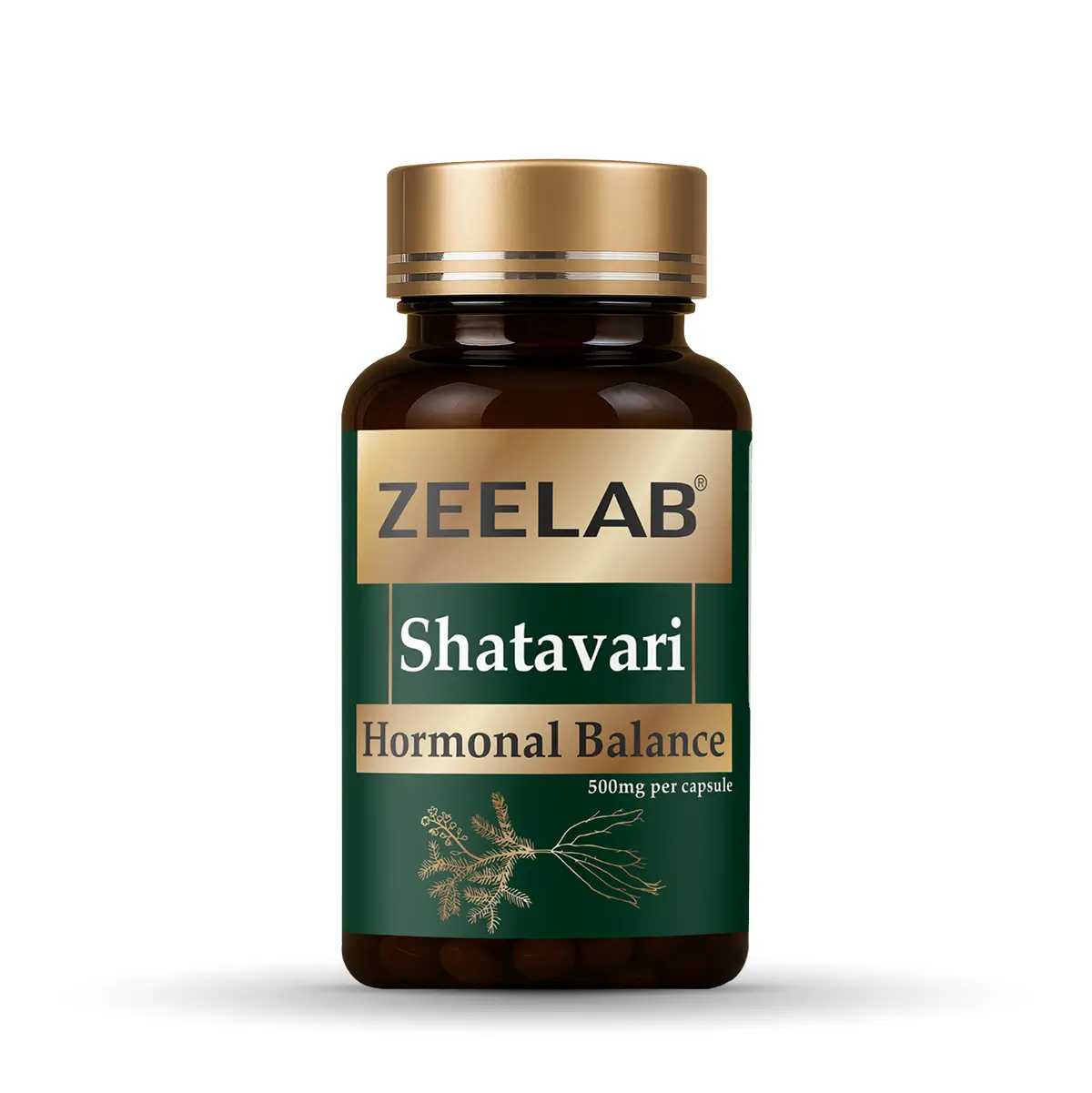
Zeelab Shatavari Hormonal Balance Capsule
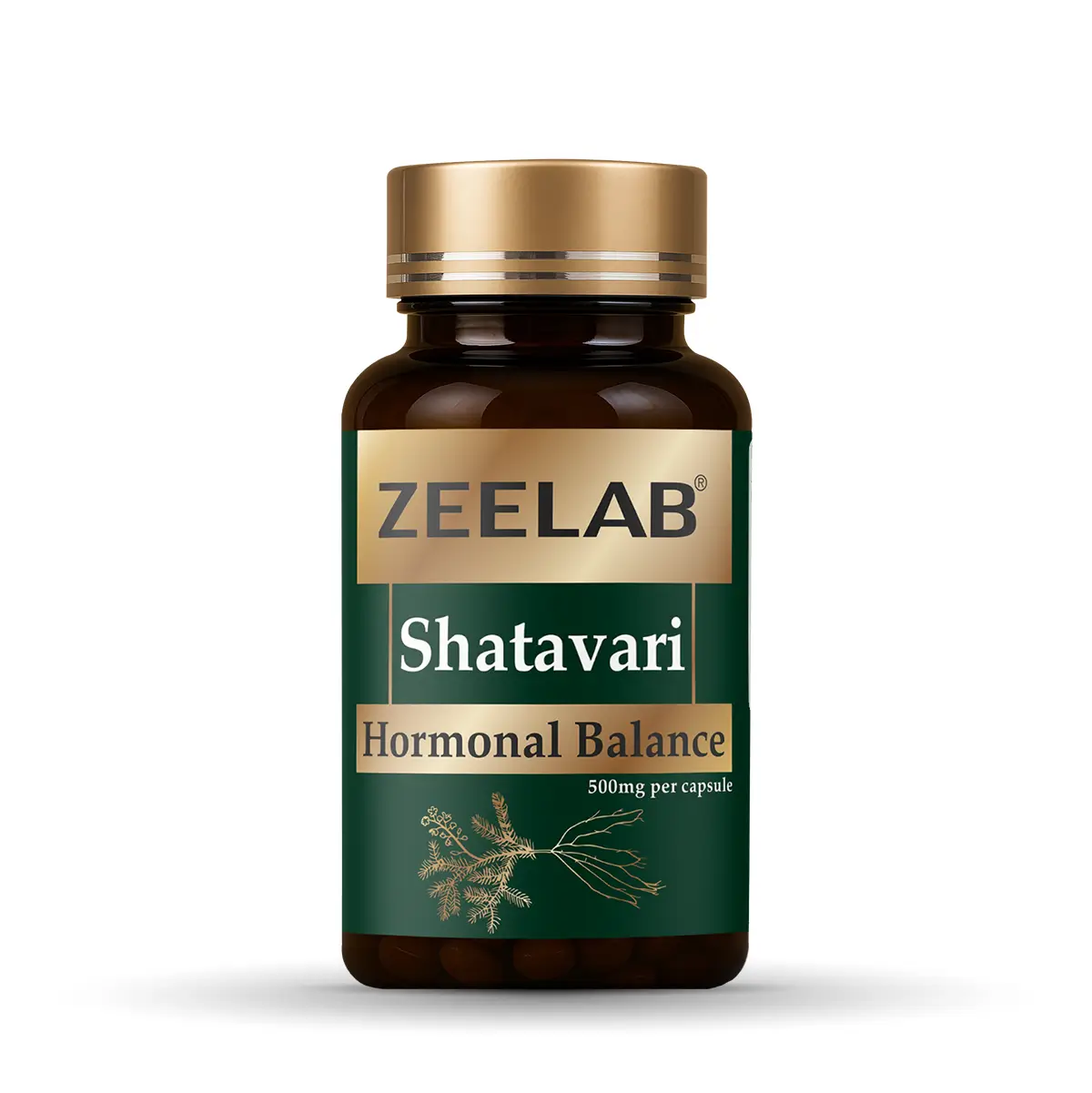
Zeelab Shatavari Hormonal Balance Capsules are an Ayurvedic herbal supplement formulated with Shatavari to support hormonal balance, female reproductive health, and overall wellness, while also promoting natural lactation support.
- Composition: Asparagus Racemosus (Shatavari Root) (500mg)
- Benefits: It helps to balance the hormones in the body, the women’s reproductive systems, lactation, and overall well-being.
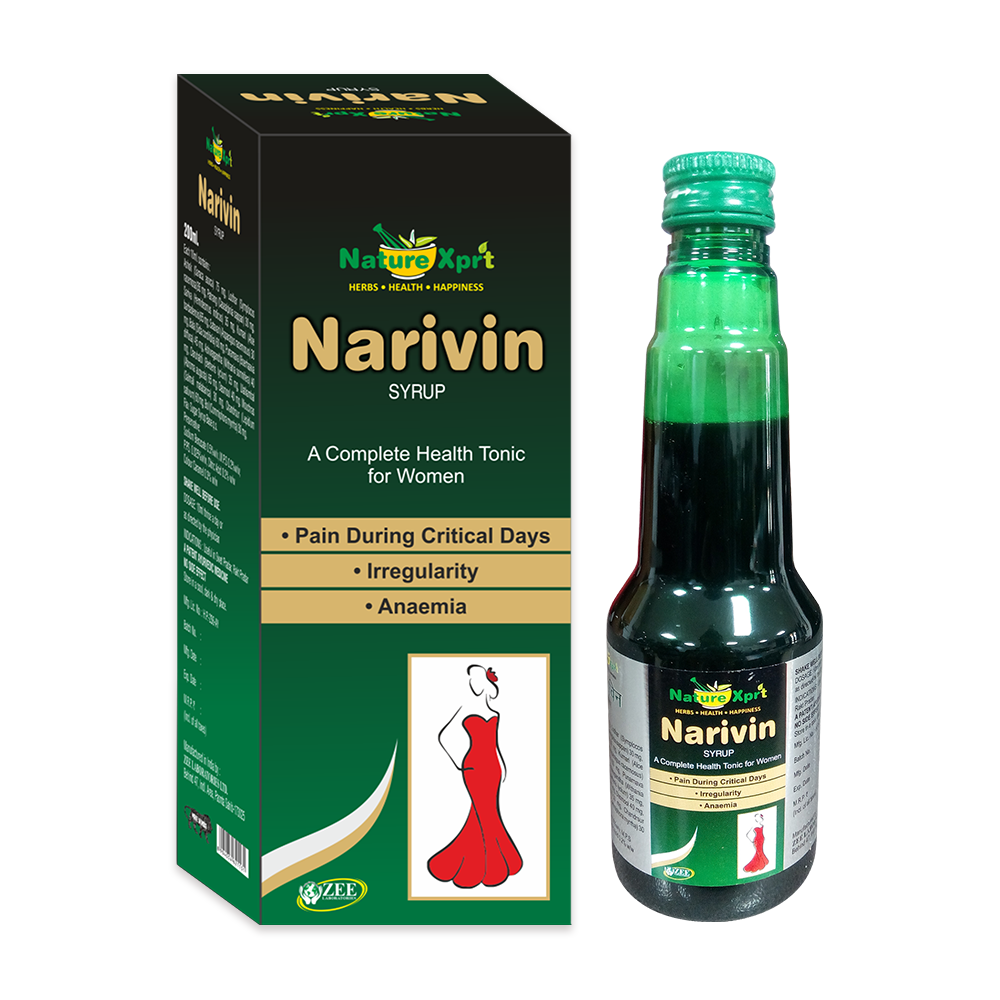
NatureXprt Narivin Syrup
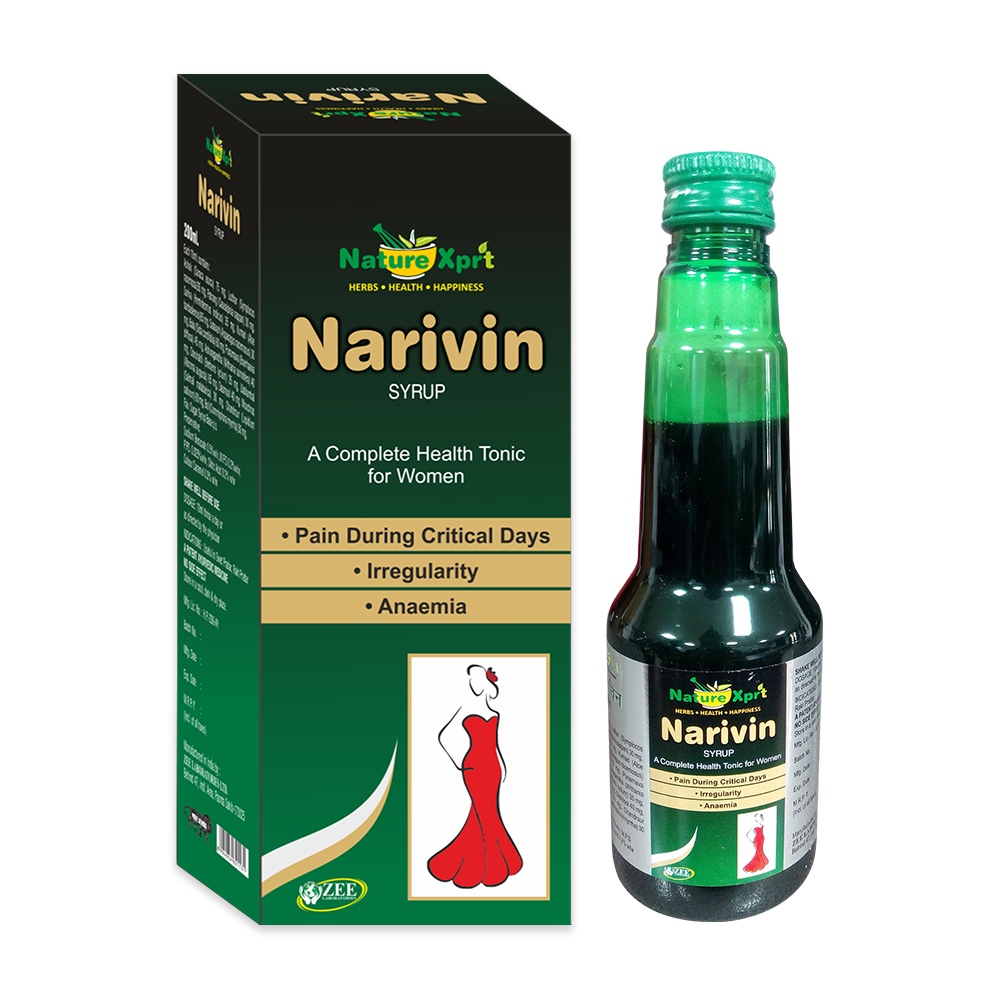
NatureXprt Narivin Syrup is an Ayurvedic herbal tonic for women’s health that helps to balance the hormones in the body, the women’s menstrual systems, lactation, and overall well-being.
- Composition: Shatavari, Ashoka, Lodhra, Dashmool, Ashwagandha, Nagkesar, Mulethi, and other supportive Ayurvedic herbal extracts.
- Benefits: Supports hormonal balance, menstrual comfort, reproductive health, energy levels, improves lactation and overall women’s wellness.
Multivitamins vs Individual Supplements During Breastfeeding: Which is better?
If you are also wondering whether you can take a multivitamin while breastfeeding? Knowing the difference between multivitamins and individual supplements can help you make better choices.
|
Aspect |
Multivitamins |
Individual Supplements |
|
Definition |
A multivitamin is a supplement that consists of a mix of different vitamins and minerals. |
Individual supplements contain only one vitamin or mineral, like iron, calcium, or vitamin D. |
|
Purpose |
Multivitamins help fill in nutritional gaps in your diet. |
They help in treating or managing a nutritional deficiency. |
|
Convenience |
Easy to take as they contain all the vitamins and minerals in one dose. |
May require you to take different supplements |
|
Best suited for |
Mothers need broad nutritional support during breastfeeding. |
Mothers diagnosed with specific deficiencies. |
|
Medical guidance |
Still recommended before use. |
Strongly recommended to ensure correct dosage. |
Pros and Cons of Postnatal Multivitamins
Postnatal multivitamins are often used to support increased nutritional needs during breastfeeding.
They provide multiple nutrients in one supplement, but should be used thoughtfully and with medical guidance.
|
Pros |
Cons |
|
Provide several essential vitamins and minerals in one dose. |
Fixed nutrient doses may not suit individual needs. |
|
Help fill nutritional gaps in the diet. |
May lead to unnecessary intake of some nutrients. |
|
Convenient compared to multiple supplements. |
Cannot replace a balanced diet. |
When Should Breastfeeding Mothers Take Supplements?
Breastfeeding mothers may need supplements when their nutritional requirements cannot be met through diet alone. Supplements may also be recommended if a mother has certain nutrient deficiencies or higher nutritional needs during the postnatal period.
Doctors may recommend supplements in situations such as:
- Iron deficiency or anaemia
- Vitamin B12 deficiency
- Low vitamin D levels
- Limited dietary intake
- Vegetarian or vegan diets
A healthcare professional can help determine the appropriate supplements and dosage based on individual health needs.
Also Read: Best Calcium Tablets for Pregnancy
Supplements to Avoid While Breastfeeding
While some supplements may support maternal nutrition during breastfeeding, others should be used with caution. Certain ingredients may pass into breast milk or may not be well studied for safety during lactation.
- High-Dose Vitamin Supplements: Vitamins like vitamins A and D, as well as fat-soluble vitamins, can cause unwanted effects if consumed in high doses without medical supervision.
- Weight-Loss or Detox Supplements: Stimulants or herbs used in these supplements have not been proven safe during breastfeeding.
- Strong Herbal Preparations: Herbs that have insufficient safety data can affect milk supply or interact with medications.
- Unregulated Supplements: Products with unclear ingredients or poor quality control should be avoided.
- Always Consult a Doctor: Healthcare guidance helps ensure supplements are safe for both mother and baby.
Supplements to Avoid While Breastfeeding
Not all supplements are safe during breastfeeding. Some ingredients may pass into breast milk or lack proper safety research. Always consult a doctor before using any supplement during this period.
High-Dose Vitamin Supplements
Avoid taking very high doses of vitamins like vitamin A or vitamin D, as excess intake may cause unwanted effects.
Weight-Loss or Detox Supplements
Weight-loss or detox products may contain stimulants or herbs that are not safe during breastfeeding.
Strong Herbal Preparations
Some herbal supplements have limited safety data and may affect milk supply or interact with medications.
Unregulated Supplements
Avoid products with unclear ingredients or without proper quality certifications.
Also Read: Top 5 Vitamins Every Pregnant Woman Needs
How to Choose Safe Supplements While Breastfeeding
Choosing safe supplements during breastfeeding helps meet nutritional needs while protecting both mother and baby. Always prioritize quality and medical guidance.
Check Ingredient Labels
Read labels carefully to understand the ingredients, dosage, and recommended intake.
Look for Quality Certifications
Choose supplements manufactured under quality standards such as GMP-certified products.
Choose the Right Nutrient Form
Some nutrient forms are absorbed better by the body and may provide better results.
Consider Dietary Preferences
If you follow a vegetarian or vegan diet, select plant-based or algae-derived supplements.
Consult a Healthcare Professional
Always speak with a doctor before starting any supplement during breastfeeding.
Natural Ways to Improve Breast Milk Supply
While supplements may help in some cases, simple lifestyle habits can naturally support breast milk production. Staying hydrated, eating nutritious foods, and breastfeeding regularly help the body maintain a healthy milk supply for the baby.
Stay Hydrated
Drink plenty of water and fluids throughout the day. Proper hydration helps maintain energy levels and supports healthy milk production.
Breastfeed Frequently
Frequent breastfeeding or pumping signals the body to produce more milk. Feeding the baby regularly helps maintain a steady milk supply.
Eat a Balanced Diet
Include whole grains, fruits, vegetables, proteins, and healthy fats in your meals. A nutritious diet supports both maternal health and milk production.
Skin-to-Skin Contact
Skin-to-skin contact with your baby can stimulate hormones that support breastfeeding and strengthen the mother-baby bond.
Get Enough Rest and Reduce Stress
Adequate rest and stress management are important for overall health. Reducing stress can help maintain healthy breastfeeding patterns.
Safety Tips When Taking Supplements During Breastfeeding
When taking supplements during breastfeeding, careful use and medical guidance are important to protect both mother and baby.
- Consult a doctor: Speak with an obstetrician or paediatrician before starting any supplement.
- Check interactions: Some supplements may interact with medicines or existing health conditions.
- Verify labels: Choose products with certifications such as USP, NSF, or GMP for quality assurance.
- Follow the correct dosage: Avoid taking higher amounts than recommended.
- Consider timing: Some supplements are better absorbed when taken with meals.
How to Choose Safe Supplements While Breastfeeding
Selecting supplements during breastfeeding should involve careful evaluation of product quality and suitability for individual dietary needs.
- Read supplement labels carefully: Check the list of active ingredients, dosage, and recommended daily intake before use.
- Consider bioavailability: Some forms of nutrients are absorbed better, such as ferrous bisglycinate compared to ferrous sulfate for iron.
- Look for vegetarian or vegan options: Consider supplements that contain plant-based ingredients or algae-based nutrients if you follow a vegetarian or vegan lifestyle.
- Check allergen information: Avoid products containing common allergens such as soy, gluten, dairy, or artificial additives if you are sensitive.
Conclusion
Proper nutrition for breastfeeding mothers is critical in ensuring the mother’s recovery and the baby’s growth. The body requires more vitamins, minerals, proteins, and fat to produce nutrient-dense milk for the baby during breastfeeding.
Although an ideal diet is always the first choice, some supplements are available to offer breastfeeding support to mothers whose needs are hard to meet with food intake alone.
However, supplements to increase breast milk or improve maternal health should always be chosen carefully and used under medical guidance to ensure safety for both mother and baby.
Also Read: Best Foods for Pregnant Women
Frequently Asked Questions
Q. Why do breastfeeding mothers need more nutrients than usual?
A. Breastfeeding mothers require more nutrients because their bodies produce breast milk that supplies essential nutrients to the baby. This increases the demand for calories, protein, vitamins, and minerals to support maternal health and infant growth.
Q. What supplements should a breastfeeding mom take and why?
A. Common supplements for breastfeeding moms include iron, calcium, vitamin D, vitamin B12, DHA, and multivitamins. These nutrients help support maternal health, maintain energy levels, and provide important nutrients for the baby through breast milk.
Q. Can breastfeeding mothers take multivitamins?
A. Yes, breastfeeding mothers can take multivitamins to help cover nutritional gaps. Postnatal multivitamins often contain essential nutrients like iron, calcium, and vitamin D that support maternal health during the lactation period.
Q. Is supplementation necessary in nursing mothers, even with a balanced diet?
A. In many cases, a balanced diet may meet nutritional needs during breastfeeding. However, supplementation may still be recommended if specific nutrient requirements are higher or if dietary intake is insufficient.
Q. How do I choose safe supplements while breastfeeding?
A. Choose supplements with clear labels, appropriate dosages, and quality certifications such as GMP or NSF. It is also important to consult a healthcare professional before starting any supplement.
Q. What are the signs of low calcium while breastfeeding?
A. Low calcium levels during breastfeeding may cause symptoms such as muscle cramps, fatigue, brittle nails, or bone discomfort. Persistent symptoms should be evaluated by a healthcare professional to ensure proper nutritional intake.
Q. Is it safe to take vitamin supplements while breastfeeding?
A. Vitamin supplements are generally safe during breastfeeding when taken in recommended doses. They can help meet increased nutritional needs, but it is advisable to consult a healthcare professional before starting any supplement.
Q. Do supplements help increase breast milk supply?
A. Some supplements and herbs are traditionally used to support milk production. However, a balanced diet, adequate hydration, frequent breastfeeding, and proper rest are the most important factors for maintaining a healthy milk supply.
Q. Are herbal supplements safe for breastfeeding mothers?
A. Some herbal supplements like fenugreek, fennel, and shatavari are traditionally used during breastfeeding. However, scientific evidence is limited, so herbal supplements should only be used under medical supervision.
Q. Can supplements change breast milk taste?
A. Certain supplements or foods may slightly alter the taste of breast milk, but this usually does not affect the baby’s willingness to feed. Most nutritional supplements have minimal impact when taken in recommended amounts.

Mecobalamin (500mcg)
10 Tablets In 1 Strip
Lysine (50 mg) + Vitamin B1 (1.4 mg) + Vitamin B2 (1.6 mg) + Vitamin B6 (2 mg) + Vitamin B12 (0.001 mg) + Vitamin C (25 mg) + Folic Acid (0.1 mg) + Niacin (18 mg) + Pantothenic Acid (5 mg) + Copper (1.7 mg) + Selenium (0.04 mg) + Zinc (17 mg)
15 Capsules In 1 Strip
Ashok (75 mg) + Lodhra (35 mg) + Patranga (30 mg) + Sariva (35 mg) + Kumari (65 mg) + Shatavari (30 mg) + Bala (60 mg) + Punarnava (45 mg) + Ashwagandha (40 mg) + Daru Haldi (35 mg) + Ulatkambal (65 mg) + Dashmool (40 mg) + Mochras (30 mg) + Chandrasur (60 mg) + Bol (30 mg)
225ml In 1 Bottle
Ferrous Fumarate 250mg + Folic Acid 1.5mg + Zinc Sulphate Monohydrate 50mg Eq. to Elemental Zinc 18.2 mg. + Vitamin B12 10mcg
30 Capsules Per Jar

Omega 3 Fatty Acid (1000mg)
60 Capsules In Jar

Omega 3 Fatty Acids (EPA 90 mg + DHA 60 mg) + Green Tea Extract (10 mg) + Ginseng (42.50 mg) + Ginkgo Biloba Extract (10 mg) + Grape Seed Extract (15 mg) + Glutathione (10 mg) + Lactic Acid Bacillus (500 Lacs Spores) + Citrus Bioflavonoids (20 mg) + Natural Mixed Carotenoids (11.33 mg, 10%) + Vitamin D3 (200 IU) + Wheat Germ Oil (25 mg) + Vitamin K1 (10 mcg) + Vitamin B6 (1 mg) + Vitamin B12 (1 mcg) + Thiamine (1.4 mg) + Niacinamide (18 mg) + Ascorbic Acid (40 mcg) + Folic Acid (120 mcg + 30 mcg) + Choline Hydrogen Tartrate (25 mg) + Lutein (250 mcg, 10%) + Piperine (5 mg) + Calcium (20 mg) + Phosphorous (15.45 mg) + Iron (10 mg) + Zinc (12 mg) + Iodine (120 mcg) + Magnesium (30 mg) + Manganese (1.5 mg) + Copper (0.5 mg) + Chromium (50 mcg) + Molybdenum (25 mcg) + Selenium (20 mcg) + Potassium (4 mg) + Chloride (3.6 mg)
15 Capsules In 1 Strip
Asparagus Racemosus (Shatavari Root) (500mg)
100 Capsules Per Jar
Recent Blogs






Disclaimer : Zeelab Pharmacy provides health information for knowledge only. Do not self-medicate. Always consult a qualified doctor before starting, stopping, or changing any medicine or treatment.
Related Products


₹ 0
0
Items added
Quick Links
Categories
Our Policies

Our Socials


Subscribe

2026 Copyright By © Zeelab Pharmacy Private Limited. All Rights Reserved
Our Payment Partners

 Added!