

Amla (Indian Gooseberry): Benefits, Uses, Dosage & Side Effects
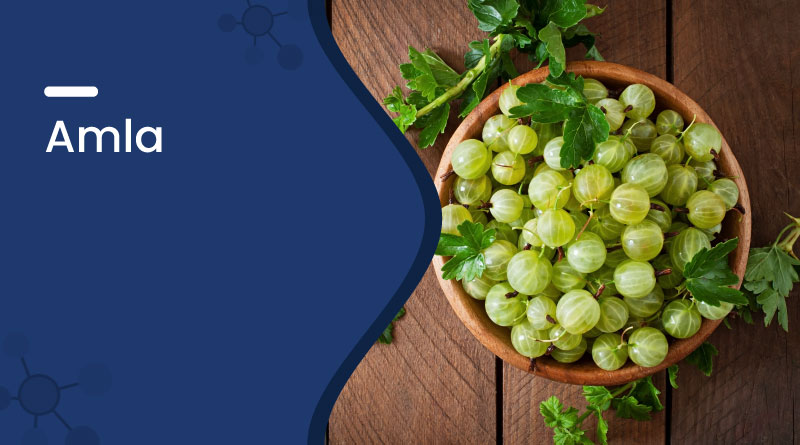
Amla or Indian gooseberry (Phyllanthus emblica) is a small green coloured fruit famous for its nutritional and medicinal benefits. This fruit has been used traditionally in Ayurvedic medicine to maintain health and provide a balanced state of body and mind.
In Ayurvedic practices, Amla is considered a powerful rejuvenating herb that helps promote vitality and long-term wellness.
Amla is rich in nutrients, including vitamin C, antioxidants, dietary fibre, and other bioactive compounds, which protect the body from harmful substances in the body, thus improving digestion, immunity, and overall health.
In this blog, you get to know the benefits of eating gooseberries in different forms, like fresh fruit, juice, powder, and how to include them in herbal formulations and home remedies for everyday health support.
What is Amla (Indian Gooseberry)?
Amla is a fruit that grows on the Phyllanthus emblica tree. You can identify it by its small size, green colour, and a sour taste. It has strong nutritional value, making it widely used in traditional health practices.
Some key points about the Amla fruit are:
- Botanical Description: Amla grows on a medium-sized deciduous tree that is native to the Indian subcontinent and Southeast Asia. It is round, light green, rich in vitamin C, and antioxidants.
- Historical Importance in Ayurveda: For centuries, the Amla fruit has been used in Ayurveda as a rejuvenator that helps maintain the general health of the body.
- Different Forms of Amla: There are several forms of the fruit, making it easier for people to consume the fruit daily.
- Fresh fruit
- Amla powder
- Amla juice
- Capsules or supplements
Nutritional Value of Amla
Amla (Indian Gooseberry) is a loaded fruit in terms of nutrition. It contains several vitamins, minerals, antioxidants, and other compounds that can be really beneficial for our health. One of its most notable nutrients is vitamin C, which contributes to immune support and antioxidant protection.
Below is a simple overview of the key nutrients found in Amla (approximate values per 100 g of fresh fruit): With this impressive list of nutrients, Amla has a significant role in our daily diet and traditional medicine to provide immunity, digestion, etc.
|
Nutrient / Component |
Approximate Amount |
Why Amla Is Considered a Superfood |
|
Calories |
~40–45 kcal |
Provides low-calorie nutrition |
|
Vitamin C |
~600 mg |
Strengthens immunity and provides powerful antioxidant protection |
|
Fiber |
~4–5 g |
Supports healthy digestion and gut function |
|
Calcium |
~25–30 mg |
Contributes to bone strength and maintenance |
|
Iron |
~0.3–0.5 mg |
Supports normal red blood cell function |
|
Carbohydrates |
~10–14 g |
Provides natural energy |
|
Polyphenols & Tannins |
Present |
Provide anti-inflammatory and antimicrobial effects |
|
Gallic Acid |
Present |
Acts as a strong antioxidant and protects cells from oxidative stress |
|
Emblicanin A & B |
Present |
Unique Amla antioxidants that help delay ageing and support tissue rejuvenation |
|
Flavonoids |
Present |
Support heart health and help neutralise free radicals |
|
Pectin (Soluble Fiber) |
Present |
Helps improve digestion and supports gut health |
|
Total Antioxidants |
High |
Help protect cells from oxidative damage and support overall health |
Health Benefits of Amla
Amla may look small, but its rich nutritional content makes it highly valued in traditional health practices. It contains vitamin C, antioxidants, and other nutrients, and the potential amla fruit benefits include:
|
Health Area |
Potential Benefits |
|
Amla for Immunity |
As it is packed with antioxidants and vitamin C, which may help the body’s natural defence system and prevent diseases. |
|
Digestive Health |
The fruit may help with healthy digestion and ease acidity and constipation issues. |
|
Skin Health |
Amla may help in the production of collagen and reduce skin pigmentation and signs of ageing due to its antioxidant effect. |
|
Hair Health |
Amla may help in strengthening hair roots and reducing hair loss and premature greying. |
|
Blood Sugar Control |
The fruit may help in the proper functioning of insulin and play a supplementary role in the maintenance of healthy blood sugar levels. |
|
Heart Health |
It may help in the maintenance of healthy cholesterol levels and heart health due to antioxidants. |
|
The antioxidant effect of the fruit may help protect the liver from adverse effects and detoxify the body naturally. |
Uses of Amla
Amla (Indian Gooseberry) is widely used in traditional practices and daily diets because of its nutritional value and potential health-supporting properties. Amla can be used in a variety of ways.
- Amla in Daily Diet: Fresh Amla fruit, Amla juice, or Amla powder is used in daily diets to maintain health and immunity.
- Amla in Ayurvedic Medicine: Amla is commonly used in Ayurvedic medicine for general health benefits.
- Amla for Hair Care: Amla oil or powder is applied to the scalp to support hair health.
- Amla for Skin Care: Amla can benefit the skin and is sometimes used in face packs or skin care products for its antioxidant properties.
- Digestive support: Amla powder or Amla juice is used to maintain digestion.
- Amla Supplements: Amla is available in capsule or tablet form for easy consumption.
Also Read: Amla Benefits for Eyes
Recommended Dosage of Amla
The dosage of Amla may vary depending on the form of Amla consumed and the age or health of the person. It is advised to consume small quantities and adjust as needed.
|
Form of Amla |
Adults |
Children (Above 5 Years) |
Notes |
|
Amla Fruit Dosage |
1-2 fruits per day |
½-1 fruit per day |
May be eaten directly or added to meals |
|
Amla Juice Dosage |
10-20 ml per day |
5-10 ml per day |
Usually mixed with water and then consumed |
|
Amla Powder Dosage |
1-3 grams per day |
½-1 gram per day |
Usually consumed with warm water, honey, or smoothies |
|
Amla Capsules Dosage |
As recommended on the label |
As advised by a healthcare professional |
Dosage may vary as per the product formulation |
Note: Pregnant women, breastfeeding women, or individuals with medical conditions should consult a healthcare expert for regular consumption.
Best Time to Consume Amla
The best time to consume amla is a factor that could help in the proper absorption of the vitamins in the body, as well as in the support of digestion.
- Amla on an Empty Stomach: This time is usually preferred for better nutrient absorption and digestion.
- Amla Before Meals: May help support digestion.
- Amla with Honey or Warm Water: This is usually preferred in traditional practices, especially when it comes to better taste and consumption.
Consuming amla in regular amounts might help in better overall well-being.
Also Read: Benefits of Amla for Weight Loss
Best Amla Product Recommendations from Zeelab Pharmacy
If you want to add amla to your routine, you may explore a few product options from Zeelab Pharmacy. These products offer convenient ways to include amla in your daily wellness routine.
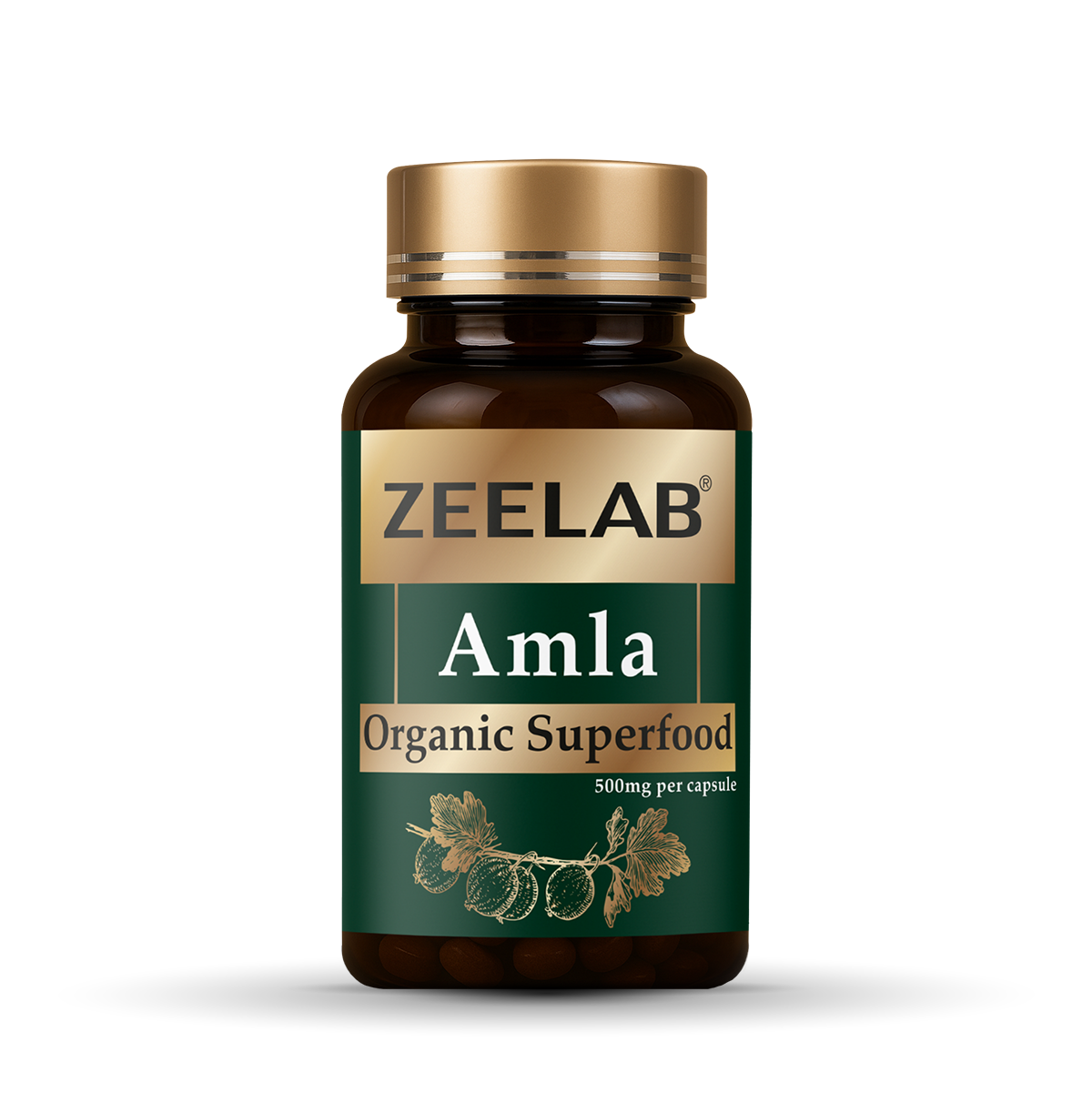
Zeelab Organic Superfood Amla Capsule
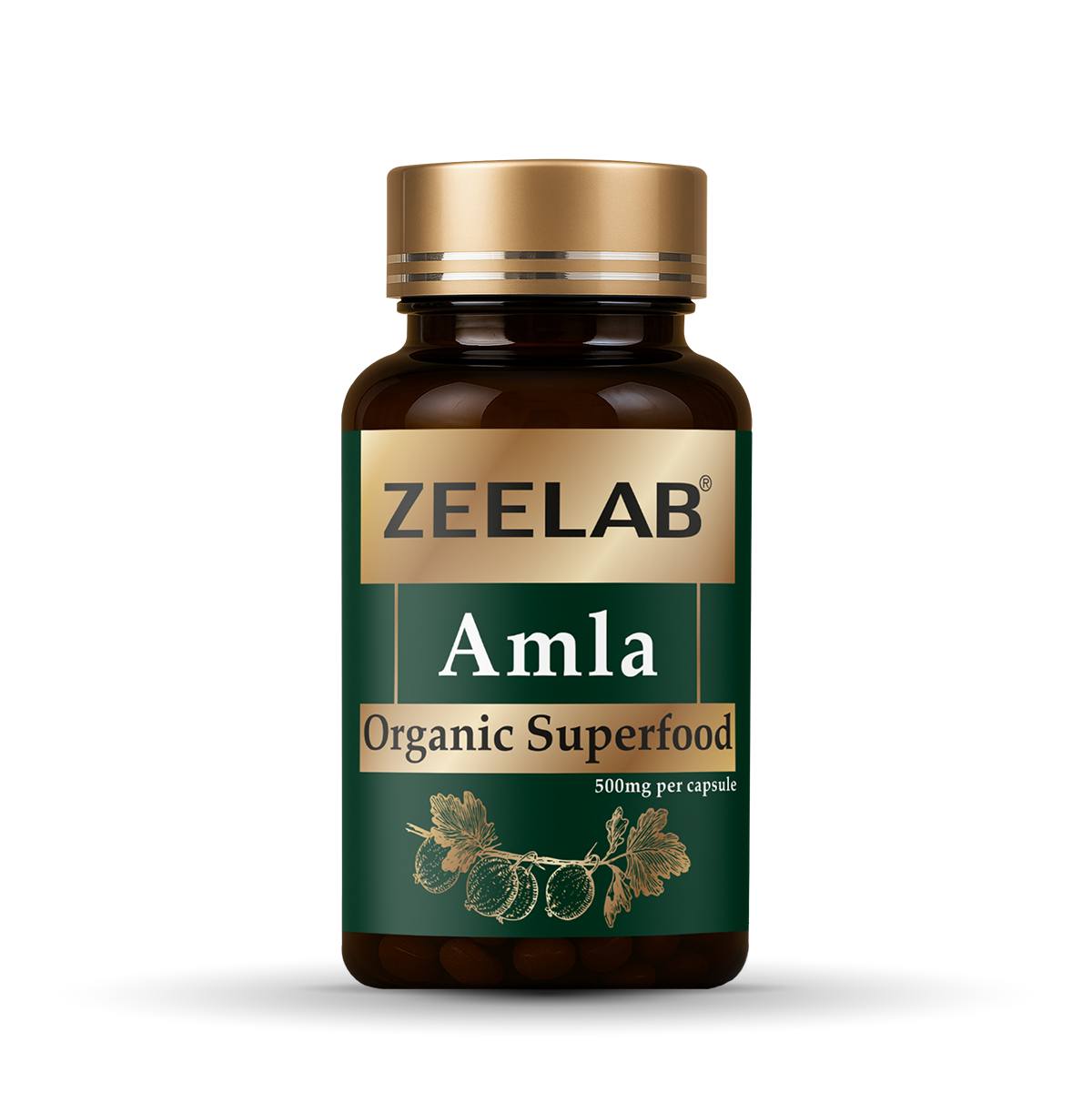
Zeelab Organic Superfood Amla 100 Capsules is a dietary supplement made from amla fruit, providing vitamin C and antioxidants that help support immunity, digestion, and overall wellness.
- Composition: Emblica Officinalis Extract (Amla Powder) 500mg
- Benefits: Supports immunity, improves digestion, provides antioxidants, promotes hair health, and helps maintain overall vitality.
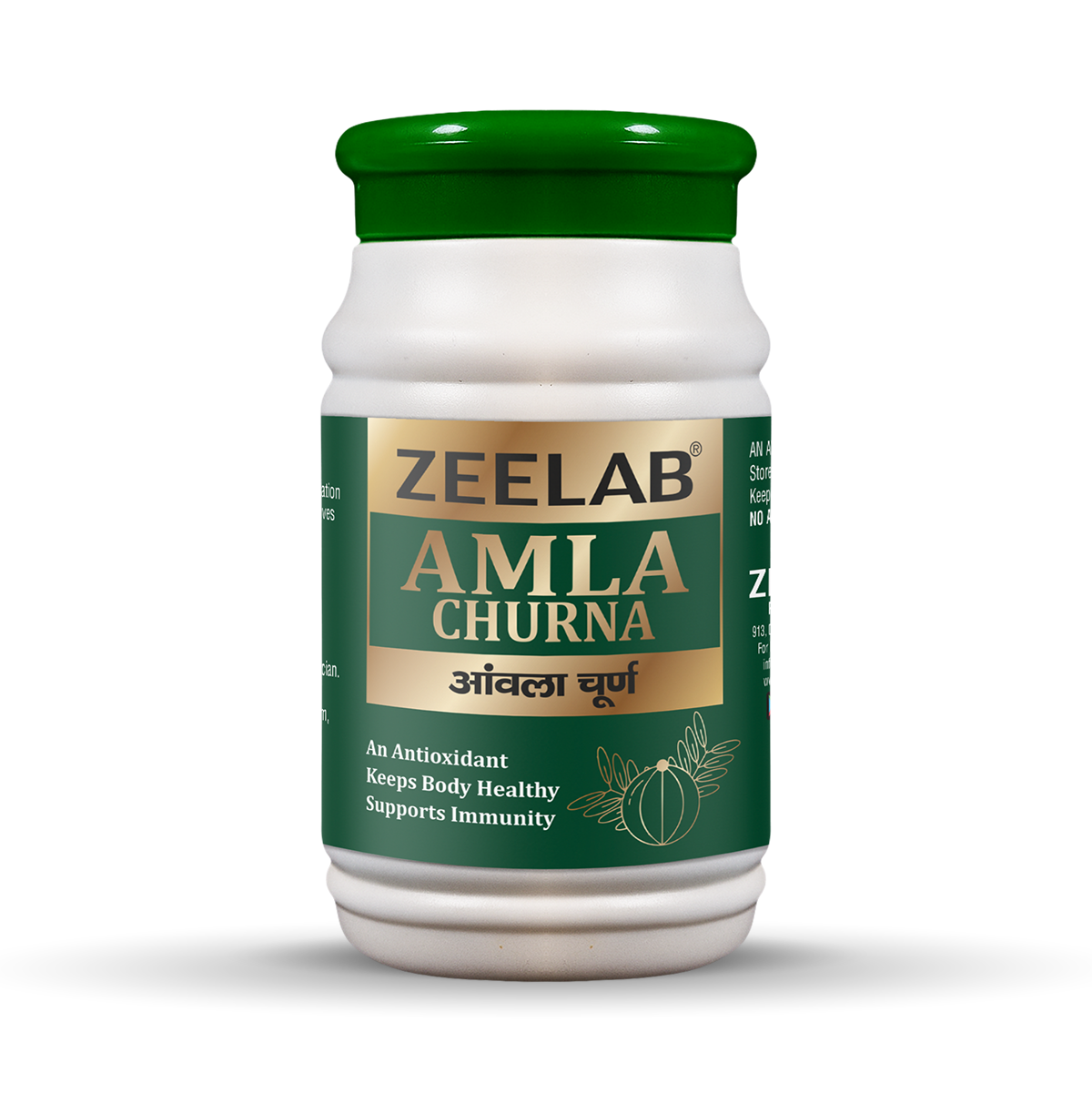
Zeelab Amla Churna
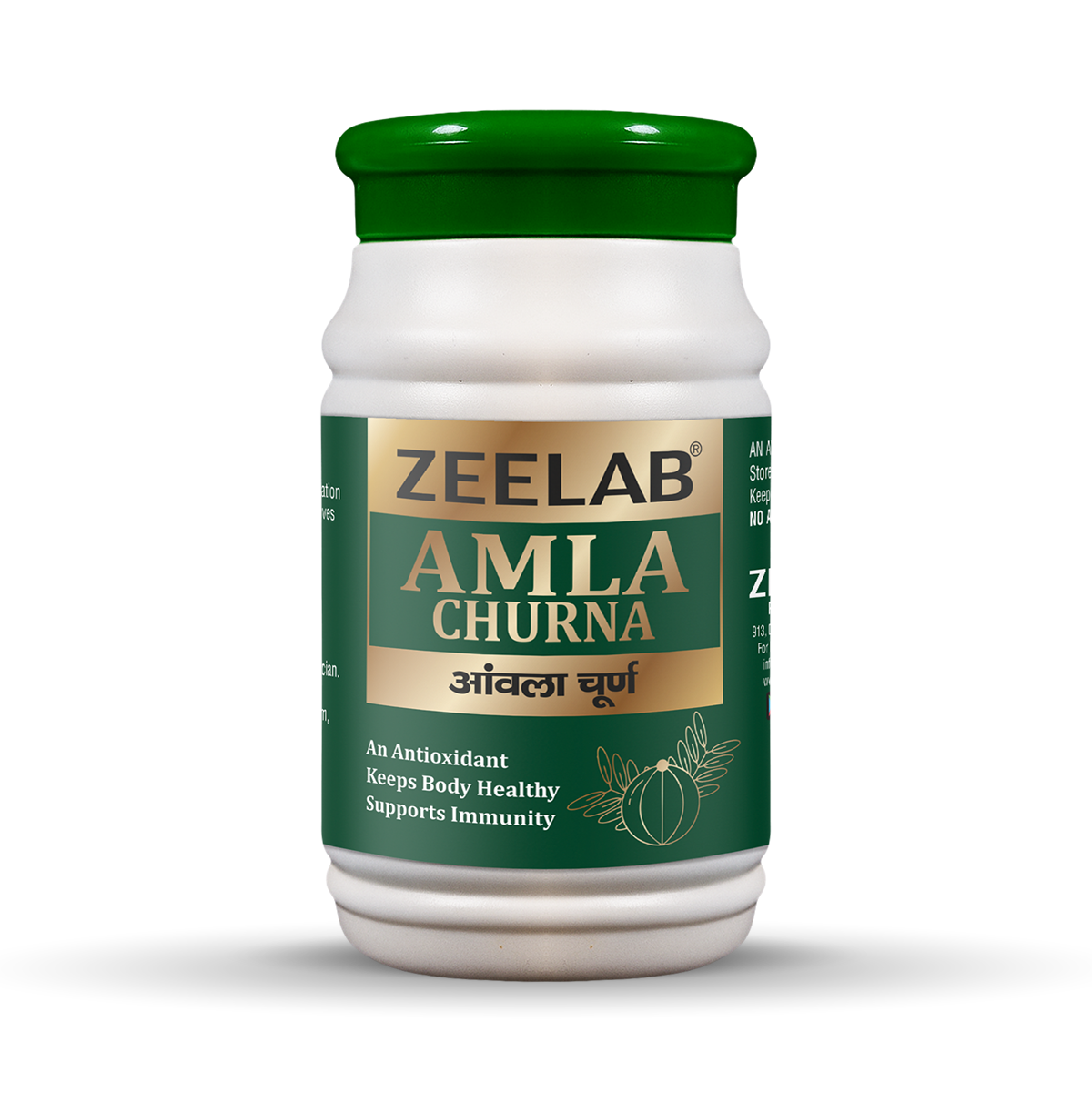
Zeelab Amla Churna is an Ayurvedic amla powder supplement that provides natural antioxidants and vitamin C, supporting digestion, immunity, and overall wellness when included in daily health routines.
- Composition: Amla Churan
- Benefits: Supports digestion, helps maintain healthy blood sugar, boosts immunity, and provides natural antioxidant protection.
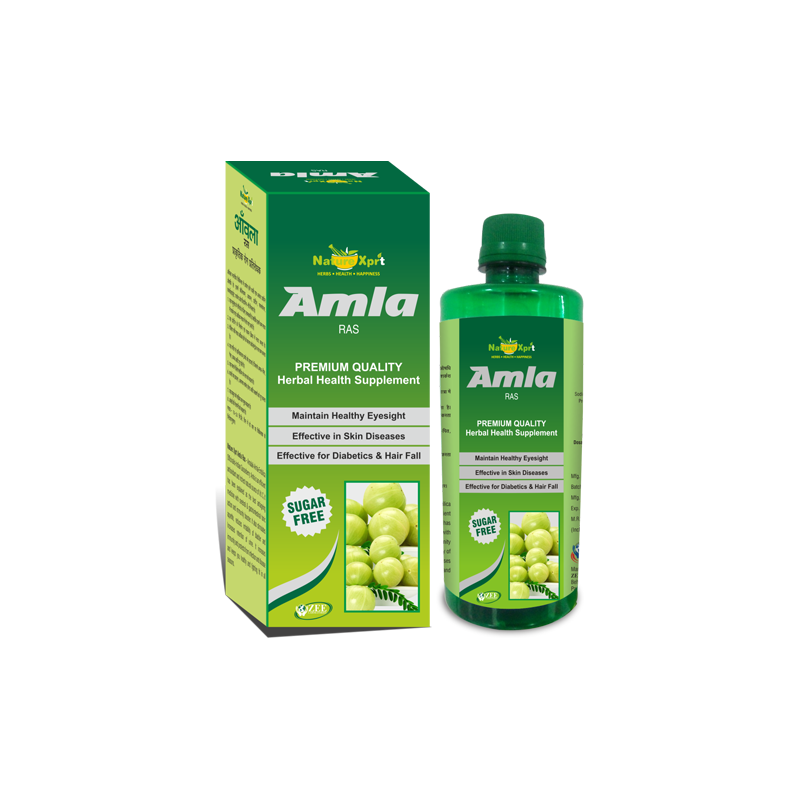
NatureXprt Amla Ras
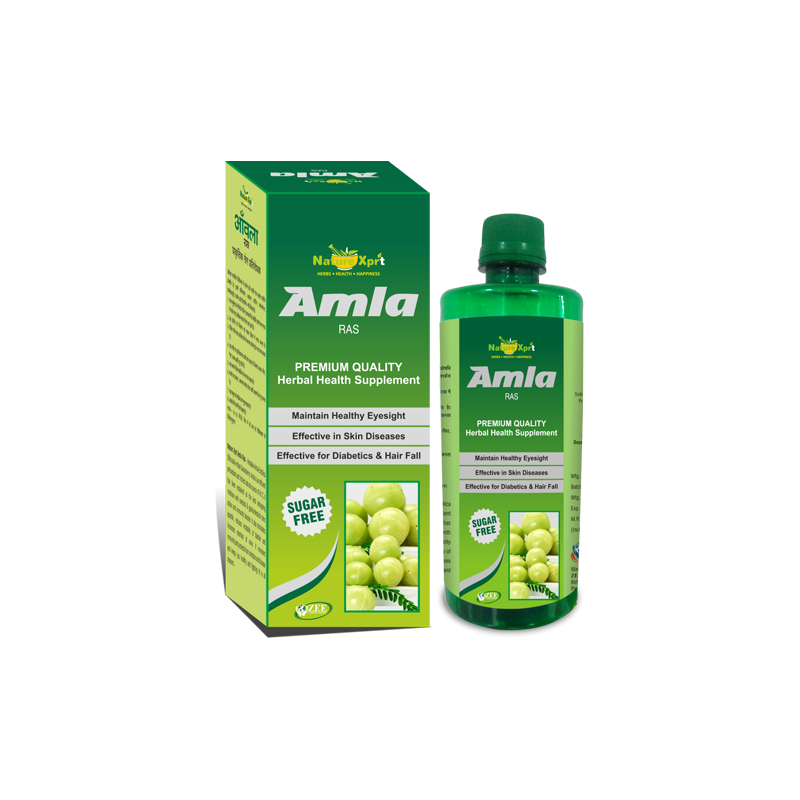
NatureXprt Amla Ras is a herbal amla juice rich in vitamin C and antioxidants, designed to support immunity, digestion, metabolism, and overall wellness when included in a regular health routine.
- Composition: Amla (1000mg)
- Benefits: Supports immunity, improves digestion, nourishes skin and hair, and provides antioxidant protection for overall wellness.
Also Read: Explore the health benefits of Bhumi Amla
Side Effects of Amla (Indian gooseberry)
Amla is considered to be safe when consumed in limited quantities. Excessive consumption may result in some minor side effects in some people.
- Digestive Problems: Excessive consumption of amla may cause acidity, stomach upsets, or diarrhoea.
- Blood Sugar Changes: Consuming amla may help lower blood sugar levels. People suffering from diabetes should limit their consumption of amla.
- Medication Interactions: It may interfere with certain medications that are used to treat blood sugar or blood clotting.
- Allergic Reactions: In rare cases, people may experience mild itching or skin rashes.
Also Read: Amla Benefits For Diabetes
Who Should Avoid Amla?
Even though Amla is safe for consumption by the general population, some individuals should use it with care or seek medical advice before using it.
- People with Low Blood Sugar: Since it can lower blood sugar levels even more.
- People Taking Blood Thinners: Because it may affect blood clotting.
- People with Sensitive Stomachs: Excess intake may cause acidity or digestive discomfort.
- Before Surgery: It is usually recommended that Amla be avoided at least a few weeks before surgery, as it can affect blood clotting.
- Pregnant or Breastfeeding Women: Should consult a healthcare professional before using Amla regularly.
How to Include Amla in Your Daily Diet?
You can easily add Amla to your everyday meals or wellness routines because it is available in several convenient forms. Here are some ways in which you may include them to attain most of the Amla benefits.
- Eat fresh Amla fruit as a snack or add it to salads.
- Drink diluted Amla juice in the morning.
- Mix Amla powder with warm water or honey.
- Add Amla powder to smoothies or herbal drinks.
- Combine Amla with ginger, turmeric, or honey in traditional recipes.
- Start with small amounts and increase gradually.
- Use Amla regularly but in moderation for long-term use.
Conclusion
Amla (Indian Gooseberry) has long been valued for its rich nutritional profile and traditional medicinal use. Packed with vitamin C, antioxidants, and beneficial plant compounds, it offers several potential amla health benefits, including support for immunity, digestion, skin, and hair health.
Many people also explore the benefits of eating raw amla, as fresh fruit can provide natural nutrients in their most active form.
For convenience, Amla supplements such as powders, juices, and capsules are also widely available. When consumed in moderation as part of a balanced diet, Amla can be a simple and natural way to support overall wellness.
Frequently Asked Questions
Q. Can I eat amla daily?
A. Yes, Amla can usually be taken daily in moderate amounts as part of a balanced diet. Regular consumption of amla is believed to provide immunity, digestion, and overall health benefits due to its nutrient content.
Q. What are the benefits of eating one amla daily on an empty stomach?
A. Eating one amla daily on an empty stomach may help support digestion, strengthen immunity, and improve nutrient absorption. Its vitamin C and antioxidant content may also contribute to better skin, hair, and overall wellness.
Q. How much Vitamin C does amla have?
A. Amla is one of the richest natural sources of vitamin C. Around 100 grams of fresh amla may contain nearly 600 mg of vitamin C, which helps support immunity, antioxidant protection, and overall health.
Q. How much Amla can I consume daily?
A. Adults can generally consume 1–2 fresh Amla fruits, 10–20 ml Amla juice, or about 1–3 grams of Amla powder daily. Dosage may vary depending on age, health condition, and product strength.
Q. Is Amla better as a fruit or a supplement?
A. Fresh Amla fruit provides natural nutrients and fibre, while supplements offer convenience and consistent dosage. Both forms can support health, but fresh fruit is often preferred when available.
Q. Are there any side effects of Amla?
A. Amla is generally safe when consumed in moderation. However, excessive intake may cause acidity, stomach discomfort, or loose stools in some people. Individuals with medical conditions should consult a healthcare professional.
Q. How to include Amla in my daily diet?
A. You can include Amla by eating fresh fruit, drinking diluted juice, or mixing Amla powder with warm water or honey. It can also be added to smoothies, herbal drinks, or traditional recipes.
Q. What nutrients and vitamins are present in Amla?
A. Amla contains vitamin C, fibre, calcium, iron, carbohydrates, and antioxidant compounds like polyphenols. These nutrients help support immune function, digestion, and overall health.
Q. Is Amla hot or cold for the body?
A. In Ayurveda, amla is considered cooling in nature. It may help balance excess body heat, support digestive function, and promote overall wellness when consumed regularly in moderate amounts as part of a balanced diet.
Q. Is amla good for hair growth?
A. Yes, amla contains vitamin C and antioxidants that may help strengthen hair roots, reduce hair fall, and support healthy hair growth.
Q. How can I use amla for hair?
A. Amla can be used as amla oil, hair masks made from amla powder, or consumed as juice or supplements for hair nourishment.
Q. What are the benefits of amla for skin?
A. Amla may help support collagen production, improve skin glow, and protect the skin from oxidative damage.
Q. How can amla be used for skin care?
A. Amla can be consumed as juice or powder, or applied in face packs to help support healthy skin.
Q. What happens if you eat amla daily?
A. Regular consumption of amla may help improve immunity, digestion, skin health, and antioxidant protection.
Q. Is raw amla better than amla juice?
A. Raw amla contains natural fibre, while amla juice is easier to consume. Both provide vitamin C and antioxidant benefits.
Q. Can I drink amla juice every day?
A. Yes, diluted amla juice in moderate amounts can be consumed daily as part of a healthy routine.
Q. Why is amla important in Ayurveda?
A. In Ayurveda, amla is considered a rejuvenating herb that helps support immunity, digestion, and overall wellness.
Q. Which Ayurvedic remedies contain amla?
A. Amla is commonly used in traditional formulations such as Triphala and Chyawanprash.
Q. Can too much amla cause side effects?
A. Excessive consumption of amla may cause acidity, stomach discomfort, or digestive issues in some people.
Emblica Officinalis Extract (Amla Powder) 500mg
100 Capsules Per Jar
Recent Blogs






Disclaimer : Zeelab Pharmacy provides health information for knowledge only. Do not self-medicate. Always consult a qualified doctor before starting, stopping, or changing any medicine or treatment.
Related Products


₹ 0
0
Items added
Quick Links
Categories
Our Policies

Our Socials


Subscribe

2026 Copyright By © Zeelab Pharmacy Private Limited. All Rights Reserved
Our Payment Partners

 Added!