

Shilajit

Overview of Shilajit
Shilajit is a mineral based extract which is pale-brown to blackish-brown in color. It is found in the Himalayan rocks and is composed of a gummy substance. Shilajit contains humus, organic plant materials and fulvic acid. It consists of more than 84 minerals including copper, silver, zinc, iron, and lead.
Shilajit is a health rejuvenator that improves sexual stamina and also improves energy levels. This helps manage chronic fatigue, tiredness, lethargy and fatigue due to diabetes. Shilajit is known to improve the testosterone level and enhance male fertility. It is also beneficial in anemia and memory loss.
What is Shilajit?
Shilajit is a natural mineral-rich substance widely used in Ayurveda as a powerful Rasayana (rejuvenative) to promote vitality, strength, and overall wellness. It is a sticky, blackish-brown resin that naturally oozes from rocks in high-altitude mountain ranges such as the Himalayas during warm weather. Formed over centuries through the gradual decomposition of plant material and microbial activity, Shilajit contains numerous bioactive compounds that contribute to its therapeutic value.
In Ayurveda, Shilajit is known as Shilajatu (शिलाजतु) or Shilajit (शिलाजीत). It has been described in classical Ayurvedic texts such as the Charaka Samhita and Sushruta Samhita as a potent rejuvenator capable of balancing the body's doshas, enhancing longevity, and improving physical and mental performance. Traditionally, it has been recommended for maintaining energy, supporting metabolism, promoting reproductive health, and strengthening immunity.
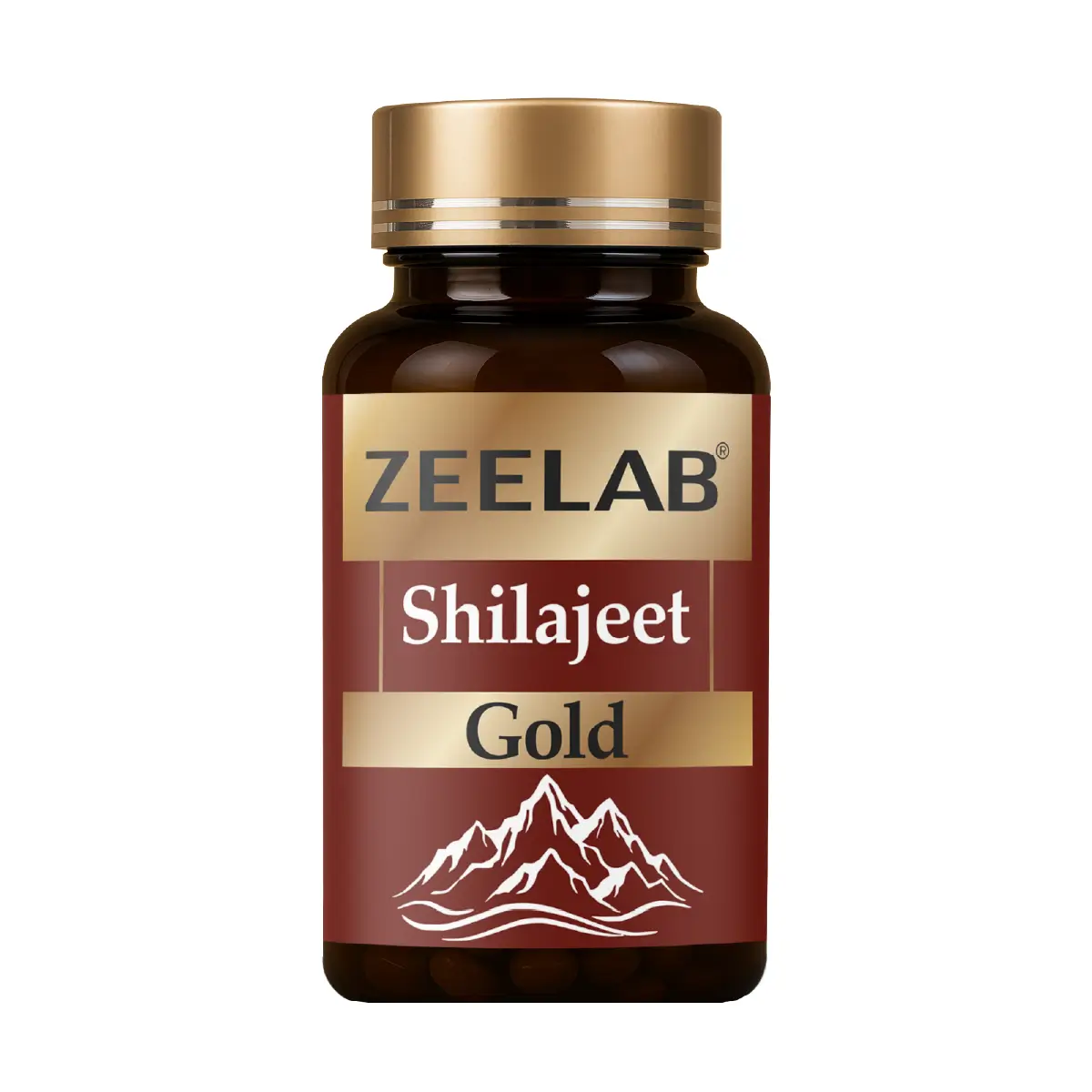
Today, Shilajit is commonly available in purified resin, capsules, tablets, and powder forms as an Ayurvedic supplement.
Quick Facts
|
Attribute |
Details |
|
Scientific Name |
Asphaltum punjabianum (Mineral pitch) |
|
Common Names |
Shilajit, Shilajatu, Mineral Pitch, Black Bitumen |
|
Sanskrit Name |
शिलाजतु (Shilajatu) |
|
Type |
Mineral exudate used in Ayurveda |
|
Source |
Himalayan mountain rocks and other high-altitude regions |
|
Common Forms |
Resin, Powder, Capsules, Tablets |
|
Parts Used |
Purified mineral resin |
|
Primary Dosha Effect |
Balances Vata and Kapha; may increase Pitta if consumed excessively |
|
Ayurvedic Category |
Rasayana (Rejuvenative) |
History
Shilajit has a rich history in Ayurveda spanning thousands of years. Ancient Ayurvedic physicians regarded it as one of the most valuable natural rejuvenating substances due to its ability to support overall health and longevity. Classical texts describe Shilajit as a substance that emerges from mountain rocks during the summer when the sun's heat softens the rocks.
The Charaka Samhita praises Shilajit for enhancing vitality and assisting in the management of various health conditions. Similarly, the Sushruta Samhita highlights its usefulness in promoting strength and supporting healthy aging. Ayurvedic practitioners traditionally purified raw Shilajit through specialized processing methods (Shodhana) before medicinal use to remove impurities and improve safety.
Historically, Shilajit has also been used in Tibetan, Siddha, and traditional Himalayan medicine systems as a tonic for improving stamina, resilience, and recovery.
Botanical Profile
Unlike medicinal herbs, Shilajit is not a plant. It is a naturally occurring mineral-rich exudate produced from decomposed plant matter that becomes compressed within mountain rocks over hundreds of years.
Classification
- Nature: Mineral resin (Asphaltum)
- Ayurvedic Category: Rasayana
- Origin: Himalayan mountain ranges and other high-altitude regions
- Appearance: Sticky, black to dark brown resin with a glossy surface
- Taste: Bitter and slightly pungent
- Odour: Characteristic earthy aroma
- Habitat: Rocky mountain cliffs at elevations above 1,000 meters
The quality of Shilajit varies depending on its geographical source, purification process, and mineral composition. Purified Shilajit is preferred for medicinal use.
Ayurvedic Properties
According to Ayurveda, Shilajit possesses unique properties that help restore balance and promote vitality.
|
Property |
Description |
|
Rasa (Taste) |
Tikta (Bitter), Katu (Pungent) |
|
Guna (Qualities) |
Laghu (Light), Tikshna (Sharp) |
|
Virya (Potency) |
Ushna (Hot) |
|
Vipaka (Post-digestive Effect) |
Katu (Pungent) |
|
Dosha Action |
Pacifies Vata and Kapha; excessive intake may aggravate Pitta |
These Ayurvedic attributes explain why Shilajit is commonly recommended to improve digestion, metabolism, tissue nourishment, and physical endurance.
Active Compounds
Shilajit contains numerous naturally occurring bioactive substances that contribute to its therapeutic potential.
Major constituents include:
- Fulvic acid
- Humic acid
- Dibenzo-alpha-pyrones
- Trace minerals
- Iron
- Magnesium
- Potassium
- Zinc
- Copper
- Calcium
- Selenium
- Amino acids
- Antioxidants
- Phenolic compounds
Among these, fulvic acid is considered one of the most important active constituents due to its antioxidant properties and its ability to facilitate the transport of minerals and nutrients within the body.
The exact composition may vary depending on the geographical origin and purification method of the Shilajit.
Benefits
Shilajit has been traditionally used for centuries to support overall health. Modern research also suggests several potential health-promoting properties, although further large-scale clinical studies are needed.
Some commonly recognized benefits include:
- May help improve energy production and reduce fatigue.
- Supports healthy mitochondrial function.
- Acts as a natural rejuvenative (Rasayana).
- May promote healthy aging due to its antioxidant activity.
- Supports cognitive function and mental performance.
- Helps maintain healthy testosterone levels in men when used appropriately.
- May improve physical stamina and exercise performance.
- Supports bone and joint health.
- Helps maintain healthy blood sugar metabolism as part of a balanced lifestyle.
- Supports immune system function.
- Promotes healthy urinary and reproductive function in traditional Ayurvedic practice.
- Helps improve nutrient absorption through its fulvic acid content.
- May assist in managing oxidative stress.
- Supports overall vitality, strength, and wellness.
Uses
Shilajit has been traditionally used in Ayurveda to support overall health and vitality. It is commonly included in herbal formulations and Rasayana therapies to promote longevity, strength, and well-being.
Some common traditional and modern uses include:
- Supports energy levels and helps reduce tiredness.
- Promotes physical strength and stamina.
- Helps improve overall vitality and endurance.
- Supports healthy cognitive function and memory.
- May help maintain healthy testosterone levels in men.
- Supports reproductive health in both men and women.
- Helps maintain normal urinary tract health.
- Supports healthy metabolism and digestion.
- May assist in maintaining healthy blood sugar levels when used alongside a balanced diet and lifestyle.
- Supports immune system function.
- Helps manage oxidative stress due to its antioxidant content.
- Promotes healthy aging and tissue rejuvenation.
- Traditionally used to support bone and joint health.
- May aid recovery after physical exertion.
- Supports general wellness as a daily Ayurvedic rejuvenative.
How to Use
Shilajit is available in several purified forms, and the method of use depends on the preparation.
- Resin: Dissolve a pea-sized amount in lukewarm water or milk before consumption.
- Capsules/Tablets: Take with water or milk as directed by an Ayurvedic practitioner or according to the product label.
- Powder: Mix with warm water, milk, or honey before use.
For better absorption, Shilajit is traditionally consumed on an empty stomach in the morning or as advised by a qualified healthcare professional.
Always use purified Shilajit (Shuddha Shilajit), as raw Shilajit may contain impurities that are unsuitable for consumption.
Dosages
The appropriate dosage varies depending on the individual's age, health condition, and the form of Shilajit being used.
|
Form |
Recommended Dosage* |
|
Resin |
250–500 mg once or twice daily |
|
Powder |
250–500 mg daily |
|
Capsules/Tablets |
Follow the manufacturer's instructions or physician's advice |
General recommendations:
- Start with a lower dose.
- Consume with lukewarm water or milk.
- Take consistently for the recommended duration.
- Do not exceed the advised dosage.
- Consult an Ayurvedic physician before long-term use.
*Dosage may vary based on individual requirements and medical advice.
Side Effects
When consumed in recommended amounts and in its purified form, Shilajit is generally considered safe for most healthy adults. However, excessive intake or the use of unpurified Shilajit may increase the risk of adverse effects.
Possible side effects include:
- Stomach discomfort
- Nausea
- Mild diarrhea
- Increased body heat
- Heartburn
- Allergic reactions (rare)
- Dizziness
- Headache
Discontinue use and consult a healthcare professional if you experience persistent side effects, allergic symptoms, or unusual discomfort.
Precautions
Before using Shilajit, consider the following precautions:
- Pregnant women should use Shilajit only under medical supervision.
- Breastfeeding mothers should consult a healthcare professional before use.
- Not recommended for children unless prescribed by a qualified practitioner.
- Individuals with gout or elevated uric acid levels should seek medical advice before use.
- People with chronic kidney disease, liver disorders, or serious medical conditions should consult their physician.
- Use only purified, laboratory-tested Shilajit from reputable manufacturers.
- Avoid exceeding the recommended dosage.
- Discontinue use if allergic reactions occur.
Drug Interactions
Shilajit may interact with certain medicines and supplements. Medical advice is recommended if you are taking:
- Antidiabetic medications
- Blood pressure-lowering medicines
- Blood-thinning medications
- Iron supplements
- Herbal supplements with similar stimulating effects
- Immunomodulatory medicines
Inform your healthcare provider about all medicines, supplements, and herbal products you are using to minimize the risk of interactions.
Frequently Asked Questions (FAQs)
Q1. How to store Shilajit?
Q2. Can I take Shilajit with Ashwagandha?
References
- https://www.ncbi.nlm.nih.gov/pubmed/22771318
- https://www.webmd.com/vitamins/ai/ingredientmono-1320/fulvic-acidhttps://www.webmd.com/vitamins/ai/ingredientmono-1320/fulvic-acidhttps://www.webmd.com/vitamins/ai/ingredientmono-1320/fulvic-acidhttps://www.webmd.com/vitamins/ai/ingredientmono-1320/fulvic-acidhttps://www.webmd.com/vitamins/ai/ingredientmono-1320/fulvic-acidhttps://www.webmd.com/vitamins/ai/ingredientmono-1320/fulvic-acidhttps://www.webmd.com/vitamins/ai/ingredientmono-1320/fulvic-acidhttps://www.webmd.com/vitamins/ai/ingredientmono-1320/fulvic-acidhttps://www.webmd.com/vitamins/ai/ingredientmono-1320/fulvic-acidhttps://www.webmd.com/vitamins/ai/ingredientmono-1320/fulvic-acidhttps://www.webmd.com/vitamins/ai/ingredientmono-1320/fulvic-acidhttps://www.webmd.com/vitamins/ai/ingredientmono-1320/fulvic-acidhttps://www.webmd.com/vitamins/ai/ingredientmono-1320/fulvic-acidhttps://www.webmd.com/vitamins/ai/ingredientmono-1320/fulvic-acidhttps://www.webmd.com/vitamins/ai/ingredientmono-1320/fulvic-acid
Disclaimer : Zeelab Pharmacy provides health information for knowledge only. Do not self-medicate. Always consult a qualified doctor before starting, stopping, or changing any medicine or treatment.
Table of Content
Related Products


₹ 0
0
Items added
Quick Links
Categories
Our Policies

Our Socials


Subscribe

2026 Copyright By © Zeelab Pharmacy Private Limited. All Rights Reserved
Our Payment Partners

 Added!